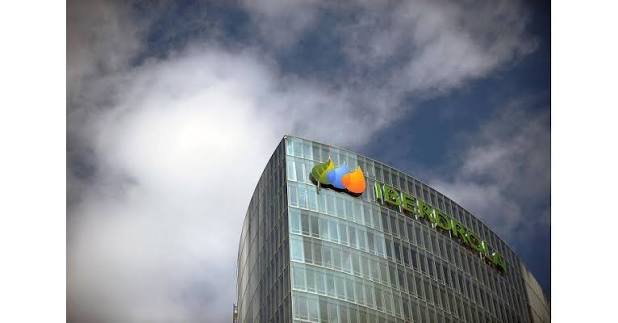
The global energy industry is entering a period of significant transformation as electricity demand increases and countries invest heavily in modern power infrastructure. Against this backdrop, Iberdrola has emerged as a major force in the utility sector, overtaking NextEra Energy in market capitalization on October 6, 2026. The Spanish energy company’s achievement highlights the growing importance of international diversification, renewable energy, and long-term investment in electricity networks.
At midday on October 6, Iberdrola reached a market valuation of €141.60 billion, narrowly surpassing NextEra Energy’s €141.58 billion. Although the difference was small, the development marked an important milestone in the competition between two of the world’s most influential publicly listed utility companies.
Two Different Strategies for Global Energy Leadership
Iberdrola and NextEra Energy have built their businesses around electricity generation, infrastructure development, and the transition toward cleaner energy. However, their geographical strategies differ considerably.
NextEra Energy maintains a strong presence in the United States through Florida Power & Light, one of the country’s major electric utilities, and NextEra Energy Resources, its renewable energy business. This concentration has supported its expansion in electricity generation and clean energy projects. Nevertheless, depending heavily on one national market also exposes the company to domestic regulatory decisions, political developments, and changes in economic conditions.
Iberdrola follows a more internationally diversified approach. Its operations span Spain, the United Kingdom, the United States, Brazil, Mexico, and Australia. Through ScottishPower in the UK, Avangrid in the US, and Neoenergia in Brazil, the company maintains exposure to multiple electricity markets.
This geographical reach provides opportunities to balance different market conditions while expanding regulated electricity networks and renewable energy capacity. In the United States, Avangrid operates regulated utilities in New York, Maine, and Connecticut and also develops renewable energy projects.
A Historic Transformation Into a Global Energy Company
Iberdrola’s recent market performance reflects a business transformation that has taken more than a century. Its origins date back to Hidroeléctrica Ibérica, founded in 1901. In 2026, the company marks 125 years of development in the electricity industry.
From its early roots in hydroelectric power, Iberdrola has evolved into an international energy group with substantial investments in wind power, solar energy, electricity transmission, and distribution infrastructure.
Its emphasis on power grids is particularly important because renewable energy expansion requires reliable networks capable of transporting electricity efficiently. Modern grids also help accommodate changing consumption patterns and connect new generation facilities to homes, businesses, and industrial users.
Share Performance Strengthens Investor Confidence
The changing market-capitalization rankings also reflect a divergence in investor sentiment. Iberdrola’s shares gained approximately 15% from the beginning of 2026, reaching record levels during the year. Meanwhile, NextEra Energy experienced a decline of around 20% following the announcement of its proposed $67 billion acquisition of Dominion Energy.
The proposed transaction has encountered growing political opposition in Virginia, according to reporting cited by the Financial Times. If completed, the acquisition would increase NextEra’s exposure to the US electricity market, adding another consideration for investors evaluating the company’s long-term strategy.
However, market capitalization can change rapidly in response to share-price movements, regulatory developments, and corporate announcements. Iberdrola’s narrow lead therefore represents a moment in an ongoing competition rather than a permanent change in the industry’s hierarchy.
Analysts See Further Growth Potential for Iberdrola
Analyst upgrades have provided additional support for the Spanish company’s investment outlook. On October 1, 2026, Goldman Sachs upgraded Iberdrola from neutral to buy and increased its price target from €21 to €25.
The bank expects earnings to grow by approximately 10% annually through 2031, supported by a planned investment program of roughly €100 billion. Around 70% of this investment is expected to target regulated power grids, particularly in the United States and the United Kingdom.
Deutsche Bank also upgraded Iberdrola to buy shortly beforehand, anticipating that its double-digit earnings growth, established in 2022, could continue through 2028.
These assessments highlight the potential advantages of investing in regulated infrastructure, where long-term capital expenditure can support network expansion and provide relatively predictable revenue streams. Actual results will still depend on execution, financing costs, regulatory frameworks, and broader market conditions.
Electricity Demand Creates New Opportunities
The competition between Iberdrola and NextEra is unfolding as the electricity sector prepares for another major investment cycle. Electrification, industrial development, and the rapid expansion of data centers are increasing demand for dependable power supplies.
At the same time, ageing electricity networks require substantial upgrades to improve reliability, accommodate renewable generation, and support growing consumption.
Goldman Sachs expects European electricity demand to increase by approximately 1.5% to 2% annually over the next two to three years before accelerating toward 3% per year. In the United States, utility-sector dealmaking also reached record levels during the first half of 2026.
These trends create opportunities for companies capable of financing large infrastructure projects while maintaining operational reliability and financial discipline.
The Road Ahead for the Utility Sector
Whether Iberdrola retains its position above NextEra Energy will depend on future share-price movements, investment performance, and strategic decisions, including the outcome of NextEra’s proposed acquisition of Dominion Energy.
More broadly, their competition illustrates how investors are evaluating energy companies in a changing global environment. International diversification, regulated grid investments, renewable energy development, and the ability to respond to rising electricity demand are becoming increasingly important considerations.
As the industry commits substantial capital to modernizing power systems, Iberdrola’s latest milestone demonstrates how a diversified international strategy can strengthen a company’s position in the global utility market.