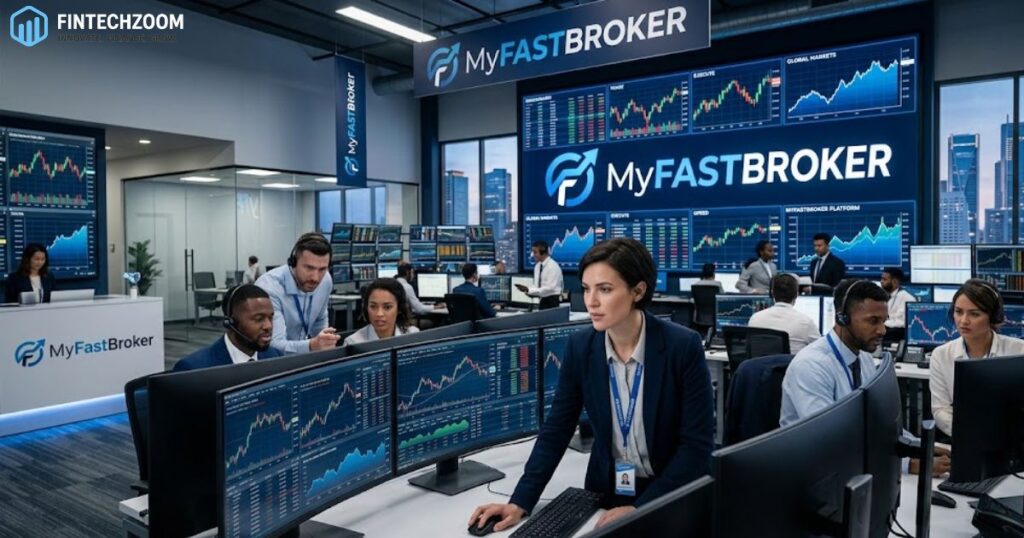

Success in the markets is often less about the charts and more about the person behind the screen. To excel, a trader must develop a “flow state,” where information is processed without the interference of fear or greed. This psychological fortitude is similar to what one experiences in high-stakes digital environments where split-second choices determine the outcome. In 2026, the most successful market participants are those who treat their trading desk with the same focus and intensity as a professional competition. They understand that hesitation is a cost and that emotional overreaction is the quickest path to a depleted account.
Developing this mindset involves rigorous self-reflection. Many traders now use biometric feedback tools to monitor their heart rate and stress levels during market hours. By identifying the physical signs of anxiety, they can step away before making a “revenge trade” or breaking their established rules. The goal is to remain clinical and detached, viewing every gain or loss as a simple data point in a much larger series of events. This level of mental discipline allows a person to execute their strategy flawlessly, regardless of the chaos appearing on the tickers or the noise on social media.
Technical Analysis and Chart Patterns
At the core of any short-term strategy is the ability to read the “language” of the market through price action. Technical analysis involves studying historical price movements to predict future trends. Common tools include moving averages, Relative Strength Index (RSI), and Bollinger Bands. These indicators help a trader identify when an asset is overbought or oversold, providing clear entry and exit signals. In the current market environment, where high-frequency algorithms dominate much of the volume, understanding these patterns is essential to avoid being caught on the wrong side of a “liquidity grab.”
Candlestick patterns, such as the “Doji” or “Hammer,” provide immediate visual cues about the balance of power between buyers and sellers. When combined with volume analysis, these patterns become highly predictive. For instance, a price breakout accompanied by a massive surge in volume suggests strong institutional backing, whereas a breakout on low volume is often a “fakeout” designed to trap retail participants. Mastering these visual tools requires thousands of hours of screen time, much like mastering any complex digital interface. The more familiar you become with these recurring shapes, the more intuitive your trading becomes.
Implementing Robust Risk Management
The difference between a professional and an amateur is not how much they win, but how much they lose. Risk management is the non-negotiable foundation of any sustainable career in finance. A standard rule is the “1% Risk Per Trade,” meaning that even if the trade hits your stop-loss, you only lose a tiny fraction of your total capital. This approach ensures that a string of losses, which is statistically inevitable, does not result in the total liquidation of the account. By protecting the downside, a trader ensures they stay in the game long enough for their “edge” to play out over time.
Position sizing is the mechanism used to enforce this risk. Instead of buying a random number of shares or tokens, the trader calculates the exact amount based on the distance between their entry price and their stop-loss level. Furthermore, in 2026, many traders use automated “trailing stops” that lock in profits as the price moves in their favor. This removes the temptation to hold onto a winning position for too long out of greed. By treating risk as the primary variable and profit as a secondary byproduct of good risk management, a person transforms trading from gambling into a structured business operation.
Identifying High Probability Setups
Not every market movement is worth trading. The most profitable individuals are highly selective, often waiting hours for a single high-probability setup that meets all their criteria. A common setup involves “Mean Reversion,” where the trader bets that a price that has moved too far away from its average will eventually snap back. Another is “Trend Following,” where the trader joins an established move after a brief period of consolidation. By focusing on only two or three specific types of trades, a person can become a specialist rather than a “jack of all trades.”
The key to these setups is “confluence” the alignment of multiple indicators at once. For example, if a price hits a major support level at the same time the RSI shows an oversold condition and a bullish engulfing candle forms, the probability of a successful trade increases significantly. This layered approach filters out the “noise” and reduces the number of losing trades. It requires immense patience to sit on your hands when the market is choppy, but this restraint is exactly what separates those who grow their accounts from those who churn their capital through unnecessary commissions and small losses.
The Impact of Modern News Cycles
In 2026, information moves faster than ever before. News regarding interest rate hikes, corporate earnings, or geopolitical shifts can cause instantaneous price spikes. Intraday traders must be aware of the “Economic Calendar” to know when major volatility is expected. Trading during these high-impact news events is often discouraged for beginners because the “spread” (the difference between buying and selling price) widens significantly, and price slippage can cause losses far greater than anticipated. Successful traders often wait for the initial news reaction to settle before looking for a “re-entry” point.
Algorithmic news scanners are now standard tools. These systems scan thousands of headlines a second and execute trades based on sentiment analysis. For the human trader, this means the first few seconds of a news event are dominated by machines. The opportunity for humans usually lies in the “secondary move” the correction or the sustained trend that follows once the market has had a few minutes to digest the actual implications of the news. Staying informed doesn’t mean following the hype; it means understanding which data points actually move the needle and ignoring the rest of the daily distractions.
Utilizing Advanced Trading Tools
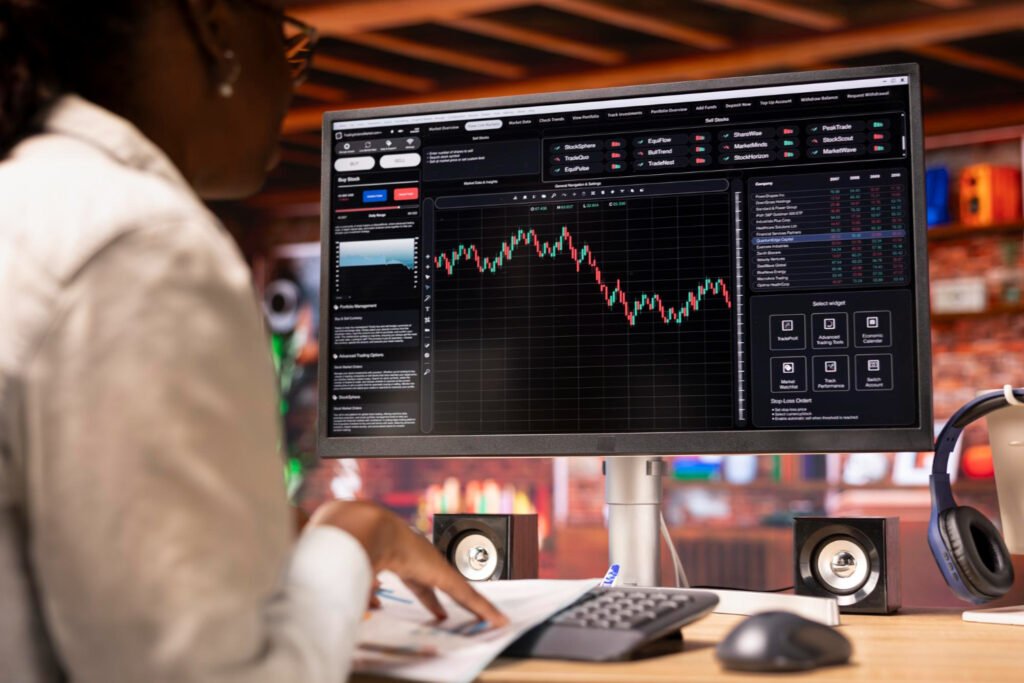
The hardware and software you use can provide a significant edge. Professional-grade platforms offer “Level 2” data, which shows the depth of the market and the actual orders waiting to be filled at various price points. This “Order Flow” analysis allows a trader to see where large institutions are hiding their buy or sell orders. Additionally, using multiple monitors to track different timeframes simultaneously, such as the 1-minute, 5-minute, and 1-hour charts, provides a holistic view of the market’s direction.
In the modern era, “Paper Trading” or simulations have become highly advanced. Before risking real money, a person can test their profitable intraday trading advice 66unblockedgames.com strategies in a risk-free environment that perfectly mimics live market conditions. This practice builds “muscle memory” and confidence. Furthermore, keeping a digital trading journal that automatically logs every trade, including screenshots and emotional state, is vital. Reviewing this journal at the end of each week helps identify recurring mistakes and strengths. Technology should be used to automate the mundane and enhance the analytical, allowing the trader to focus on high-level strategy.
Adapting to Volatility and Liquidity
Market conditions are never static; they shift between high-volatility “trending” phases and low-volatility “ranging” phases. A strategy that works perfectly in a trending market will often fail miserably in a ranging one. Therefore, an essential skill is the ability to recognize the “regime” the market is currently in. During high volatility, targets should be wider and stop-losses further away to account for the “swing.” In low volatility, the trader must be content with smaller, quicker profits and tighter management.
Liquidity is the other half of this equation. It refers to how easily an asset can be bought or sold without affecting its price. In 2026, many traders focus only on the most liquid assets, such as major currency pairs, large-cap stocks, or high-volume digital assets, to ensure they can exit their positions instantly. Trading illiquid “penny” assets is a common trap, as you may find yourself unable to sell your position during a sudden crash. By staying where the volume is high, you ensure that your technical analysis remains valid and that your exit strategies can be executed with precision.
Strategy Comparison Table
| Strategy Type | Best Market Condition | Difficulty | Key Indicator |
| Scalping | High Liquidity / Low Volatility | Very High | Order Flow / Level 2 |
| Momentum | Strong Trending Market | Moderate | Volume / Breakout Levels |
| Mean Reversion | Ranging / Sideways Market | Moderate | Bollinger Bands / RSI |
| Gap Trading | Market Open | High | Overnight News / Pre-market Vol |
| Trend Following | Steady Growth/Decline | Low | Moving Averages (50/200) |
FAQs
Is intraday trading safe for beginners?
Intraday trading carries high risk due to volatility and leverage. It is recommended that beginners spend at least three to six months paper trading and studying technical analysis before committing real capital.
How much capital do I need to start?
While some platforms allow you to start with as little as $100, professional intraday trading typically requires more substantial capital to manage risk effectively and cover platform fees. In the U.S., the “Pattern Day Trader” rule requires a minimum of $25,000 for stock day trading.
Can I trade using only my mobile phone?
While mobile apps are great for monitoring positions, the limited screen real estate makes deep technical analysis difficult. Most successful traders use a desktop setup with multiple charts for better situational awareness.
Conclusion
Embarking on a journey to find profitable intraday trading advice 66unblockedgames.com requires a commitment to lifelong learning and extreme personal discipline. The markets of 2026 are more efficient and faster than ever, meaning there is no room for half-hearted efforts or emotional decision-making. By mastering the psychological aspects of trading, perfecting technical analysis, and never wavering on risk management, a person can build a consistent income stream. It is important to remember that trading is a marathon, not a sprint. The goal is not to get rich on a single trade, but to develop a repeatable process that yields positive results over hundreds of trades. As the digital and financial worlds continue to merge, those who can navigate these high-speed environments with clarity and focus will be the ones who thrive. Success is found in the intersection of preparation and opportunity, and the market provides a fresh opportunity every single day the bell rings.