
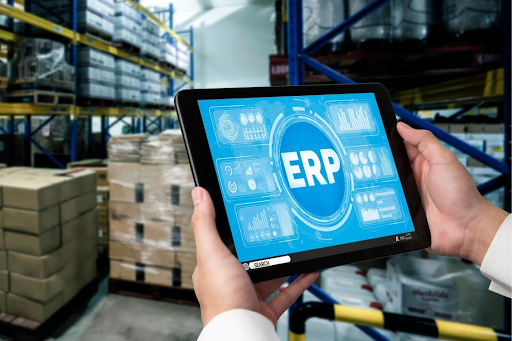
In today’s competitive industrial landscape, the integration of advanced technology systems has become essential for manufacturing enterprises seeking to enhance productivity and operational efficiency. Among these technologies, ERP solutions for manufacturing have emerged as a transformative force, providing holistic approaches to managing complex processes.
Understanding ERP Solutions in Manufacturing
Enterprise Resource Planning (ERP) systems are comprehensive software platforms designed to unify various business functions into a single framework. Within manufacturing, ERP solutions serve to integrate planning, procurement, production, sales, and accounting processes, promoting seamless data flow and real-time visibility across departments.
Streamlining Production Processes
One of the primary benefits of implementing ERP technology in manufacturing is streamlining production processes. By automating scheduling, resource allocation, and supply chain management, ERP solutions enable manufacturers to reduce lead times and improve throughput. This optimisation helps in meeting customer demands more efficiently while minimising waste.
Improving Inventory Management
Effective inventory control is critical in manufacturing to prevent overstocking or stockouts. ERP systems provide accurate, real-time tracking of inventory levels, materials requirements, and work-in-progress items. This capability assists organisations in maintaining optimal inventory levels, reducing holding costs, and ensuring timely availability of components.
Enhancing Quality Control
Maintaining high quality standards can determine a manufacturer’s market reputation. ERP solutions facilitate quality management by integrating inspection processes, recording test results, and tracking compliance with industry standards. Enhanced traceability supported by ERP systems allows for rapid identification and rectification of defects.
Financial Management in Manufacturing
ERP platforms integrate financial data, enabling comprehensive budgeting, cost analysis, and accurate reporting. Manufacturers can monitor expenditures related to raw materials, labour, and overheads effectively. This financial insight supports better decision-making and profitability analysis.
Supporting Compliance and Regulatory Requirements
Manufacturers often operate under strict regulations. ERP solutions offer tools for documenting compliance, generating audit trails, and ensuring adherence to environmental and safety standards. The use of these systems reduces the risk of penalties and enhances regulatory transparency.
Facilitating Supply Chain Collaboration
Coordination with suppliers, distributors, and customers is essential for manufacturing success. ERP systems provide collaborative platforms that facilitate communication and information sharing among supply chain partners. This collaboration supports just-in-time manufacturing and reduces delays.
Driving Innovation and Adaptability
Incorporating ERP solutions allows manufacturers to adapt swiftly to market changes and technological advances. Flexible and scalable ERP architectures enable companies to modify workflows, introduce new products, and respond effectively to evolving customer needs.
Data-Driven Decision Making
The consolidation of data within ERP systems empowers managers with actionable insights through advanced analytics and reporting tools. Decisions regarding production scheduling, resource investment, and market strategies become more informed and reliable.
Enhancing Workforce Productivity
Automated workflows and user-friendly interfaces embedded in ERP solutions reduce manual tasks and errors. Employees can focus on value-added activities, accelerating process completion and fostering an efficient work environment.
Reducing Operational Costs
By minimising redundancies and optimising resource allocation, ERP systems contribute to lowering operational costs. These efficiencies translate to improved margins and increased competitiveness in the manufacturing sector.
Scalability for Growing Manufacturing Businesses
ERP platforms are designed to accommodate expansion, supporting increased production volumes and complex operations. This scalability ensures that manufacturers can continue to benefit from their ERP investment as their business grows.
Integration with Emerging Technologies
Modern ERP solutions often integrate seamlessly with other innovations like the Internet of Things (IoT), Artificial Intelligence (AI), and advanced robotics. Such integration enhances automation, predictive maintenance, and overall system intelligence.
Security and Data Integrity
Security remains a critical concern for manufacturers dealing with proprietary data. ERP solutions employ robust security protocols to protect sensitive information from cyber threats while ensuring data accuracy and integrity.
Implementation Considerations
The successful deployment of ERP in manufacturing requires careful planning, including needs assessment, system selection, and employee training. Tailoring ERP configurations to specific organisational requirements maximises benefits and reduces resistance.
Conclusion
Enterprise Resource Planning systems are revolutionising manufacturing efficiency by integrating diverse operations into a coherent, responsive framework. The adoption of ERP solutions for manufacturing equips enterprises with the tools necessary to optimise productivity, uphold quality, and maintain competitive advantage in a dynamic industrial environment.