
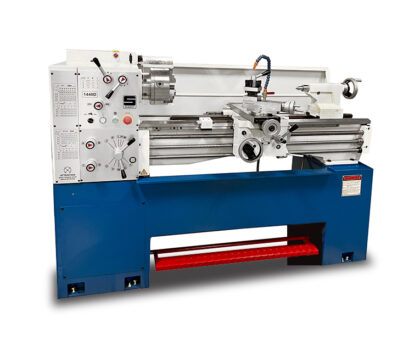
Manual lathes are powerful precision tools that can create beautiful turned pieces, but they demand respect and proper technique to operate safely. Whether you’re a beginner learning the basics or an experienced machinist refreshing your knowledge, following established safety protocols can prevent serious injuries and costly mistakes.
Essential Safety Gear and Personal Protective Equipment
Before you even approach the lathe, proper personal protective equipment forms your first line of defense against injury. Safety glasses with side shields are non-negotiable, as metal chips and debris can fly at high speeds during turning operations. Regular prescription glasses don’t provide adequate protection.
Avoid loose clothing, jewelry, watches, and ties that could get caught in rotating parts. Roll up long sleeves securely or wear fitted clothing. Closed-toe shoes with good grip are essential, preferably steel-toed boots in professional settings.
Keep long hair tied back and contained under a cap if necessary. A single strand caught in the chuck or spindle can cause severe scalping injuries. Many experienced machinists also wear fitted gloves when handling rough stock, but remove them before operating the machine to prevent entanglement.
Pre-Operation Inspection and Setup
Start every session with a thorough machine inspection. Check that all guards are in place and properly secured. Examine the chuck and tailstock for any damage, excessive wear, or loose components. Verify that the tool rest is tight and properly positioned.
Inspect your cutting tools for chips, cracks, or excessive wear. Damaged tools can break under load, creating dangerous projectiles. Ensure your workpiece is free from defects like cracks, knots (in wood), or inclusions that could cause it to fly apart.
Test the lathe at low speed before beginning work. Listen for unusual noises, vibrations, or binding that could indicate mechanical problems. If anything seems wrong, stop immediately and investigate.
Proper Chuck and Workpiece Mounting
Mounting your workpiece correctly prevents it from coming loose during operation, which could cause serious injury. When using a chuck, ensure the workpiece extends no more than three times the chuck jaw length without tailstock support. Longer pieces create excessive leverage and can pull free.
Tighten chuck jaws evenly using the proper key, checking that the workpiece runs true without excessive wobble. Remove the chuck key immediately after tightening and develop the habit of never leaving it in the chuck. A forgotten key becomes a dangerous projectile when the lathe starts.
For longer pieces, always use the tailstock for additional support. Center the tailstock properly and apply adequate pressure without over-tightening, which can cause the workpiece to bow or split.
Understanding Speed Selection and Control
Choosing the correct spindle speed is crucial for both safety and work quality. Larger diameter pieces must run at slower speeds to prevent dangerous centrifugal forces. A good rule of thumb is that doubling the diameter requires halving the speed.
Start every operation at a lower speed than you think necessary, then gradually increase as you assess how the workpiece behaves. Dense, well-balanced pieces can typically handle higher speeds than pieces with irregular shapes or soft materials that might deform under centrifugal force.
Modern manual lathes often feature variable speed controls that allow fine adjustment while running. However, major speed changes should be made with the machine stopped to prevent damage to the drive system.
Safe Tool Positioning and Cutting Techniques
Position your cutting tools on the centerline of the workpiece or slightly below. Tools positioned too high tend to catch and dig in, while tools too low create poor surface finishes and excessive tool wear. The tool rest should be positioned as close to the workpiece as practical, typically within 1/8 inch.
Always cut “downhill” when possible, meaning from larger diameter to smaller diameter. This technique produces cleaner cuts and reduces the tendency for tools to catch. Make light, controlled cuts rather than trying to remove large amounts of material in a single pass.
Keep cutting tools sharp and properly shaped for the operation. Dull tools require excessive force and are more likely to catch or produce poor results. Learn to recognize when tools need sharpening and maintain a set of sharp tools ready for use.
Maintaining Control During Operation
Never leave a running lathe unattended, even for a few seconds. Unexpected problems can develop rapidly, and immediate intervention may prevent injury or damage. Stay alert and focused, avoiding distractions like conversations or phone calls while operating the machine.
Keep your body positioned to one side of the workpiece, never directly in line with it. If something breaks loose, you don’t want to be in the projectile path. Maintain good lighting in your work area so you can clearly see what’s happening.
Develop smooth, controlled movements when advancing tools or adjusting position. Sudden or jerky movements can cause tools to catch or grab, potentially resulting in injury or workpiece damage.
Emergency Procedures and Problem Response
Know the location of your emergency stop button and practice reaching it quickly. Most lathes have a large red button or paddle that cuts power immediately. Don’t hesitate to use it if anything seems wrong.
If a tool catches or digs in, immediately back away from the workpiece and stop the lathe. Investigate the cause before resuming work. Common causes include incorrect tool height, dull cutting edges, or inappropriate cutting angles.
If you notice excessive vibration, unusual noises, or changes in the machine’s behavior, stop immediately. These symptoms often indicate loose components, unbalanced workpieces, or mechanical problems that could lead to failure.
Post-Operation Safety and Maintenance
After completing your work, clean metal chips and debris from the machine, but never use your hands or compressed air. Use a brush or vacuum to remove chips safely. Built-up debris can interfere with machine operation and create slip hazards.
Store cutting tools properly to protect their edges and prevent injury when reaching for them. Many shops use magnetic tool holders or dedicated tool racks that keep edges protected and tools easily accessible.
Perform regular maintenance according to the manufacturer’s recommendations. Well-maintained machines operate more safely and produce better results. This includes proper lubrication, alignment checks, and replacement of worn components before they fail.
Safe lathe operation becomes second nature with practice, but never let familiarity breed complacency. Each piece of work presents unique challenges and potential hazards that require your full attention and respect for the machine’s power.