
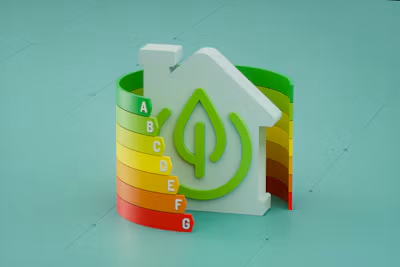
Energy is one of the largest costs most businesses carry, and also one of the most neglected. While owners scrutinise payroll, rent, and marketing, the gas and electricity bills tend to renew quietly on whatever rate is in place, year after year. The reassuring truth is that bringing this cost under control is simpler than it looks. It comes down to two steps: comparing what you could be paying, and then switching to a better deal. Get both right, and you turn an overlooked bill into a managed cost.
Why business energy drifts too high
Both gas and electricity are tied to commodity markets, so their wholesale prices move with supply and demand, weather, geopolitics, and storage levels. Suppliers pass these movements through, which means a rate agreed a couple of years ago may be far from competitive today. Energy feels like a fixed cost, like rent, but it is not. It is a competitive market, and the price you pay is a choice.
The problem is that most businesses treat it as fixed. They sign a contract, forget about it, and let it roll over. When a fixed term ends without a new deal, the business often drops onto out-of-contract or deemed rates, which are among the most expensive tariffs available. Inaction quietly drains money month after month.
Step one: compare
The first step is to see what the wider market offers rather than assuming your current rate is fine. Comparing is the move that replaces assumption with information. The simplest way to compare energy prices for your business is through a service that gathers quotes from leading UK suppliers and presents them together, so you can see at a glance whether your current deal is competitive or whether a cheaper one exists.
To compare accurately, gather your recent bills, your current unit rate and standing charge, your contract end date, and your actual usage figures. Usage data matters because quotes are calculated from consumption. And when you look at the options, judge them on the total estimated cost for your usage, not the headline unit rate, since a low unit rate paired with a high standing charge can cost more overall.
Step two: switch
Comparing only saves money if you act on it. The second step is switching to the better deal, and this is where a broker earns its keep. Using a service such as utilitybidder.co.uk, which gathers rates from leading UK suppliers and handles the switching paperwork, turns the whole process into a single task rather than a round of phone calls. The service coordinates the move between your old and new suppliers, so you are not chasing anyone.
A common worry is that switching will disrupt the business. It will not. Your gas and electricity supplies are not changed or interrupted when you switch. The energy keeps flowing exactly as before, and only the billing arrangement and the company you pay change. For a change that can meaningfully lower a recurring cost with no operational impact, the effort is minimal.
Fixed or variable
Part of switching well is choosing the right contract type. A fixed contract locks your rate for the term, giving budget certainty and protecting you against market rises. A variable contract moves with wholesale prices, which can help if they fall but exposes you if they rise. Most businesses that value predictable budgeting choose a fixed rate agreed at a sensible time.
Timing the two steps
Both steps work best when timed around your contract. Most business energy contracts have a window before renewal when you can agree a new deal. Comparing and switching within that window lets you move smoothly to a better rate and avoid dropping onto expensive default tariffs. Set a reminder for your contract end date so the moment never slips past.
The leverage of comparing even if you stay
Here is a point worth stressing. Even if you decide to stay with your current supplier, completing step one gives you leverage. A set of competitive quotes is strong evidence in a renewal conversation, and suppliers are far more willing to offer a better rate to a customer who clearly knows the market. So comparing pays off whether or not you ultimately switch.
Make it a yearly habit
The businesses that keep energy costs under control are not the ones that find a single great deal. They are the ones that repeat these two steps before every renewal. A small amount of attention once a year protects you from the quiet, compounding cost of overpaying, and it slots neatly alongside the other financial reviews a well-run business already does.
The bottom line
Lowering your business energy bills is a two-step process: compare the market to see what you could be paying, then switch to the better deal. Both steps are quick, especially with a service doing the legwork, and neither disrupts your supply. Treat energy as a cost to manage actively rather than a bill to simply pay, repeat the two steps each year, and you keep more of every pound where it belongs, in the business.
Frequently asked questions
Why do business energy prices change so often?
Gas and electricity are tied to commodity markets, so wholesale prices respond to supply and demand, weather, and geopolitics. Suppliers pass these changes through to business customers.
What happens if I let my contract roll over?
You are likely to move onto out-of-contract or deemed rates, among the most expensive tariffs, because suppliers will not switch you to a cheaper deal automatically.
Should I compare on the unit rate alone?
No. A low unit rate with a high standing charge can cost more overall. Compare the total estimated cost for your actual usage instead.
Does switching supplier interrupt my energy supply?
No. The supplies are not changed or interrupted. Only your billing and the company you pay change, and the paperwork is usually handled for you.
Is comparing worth it if I plan to stay with my supplier?
Yes. Competitive quotes give you leverage to negotiate a better renewal rate, since suppliers respond better to customers who clearly know the market.