
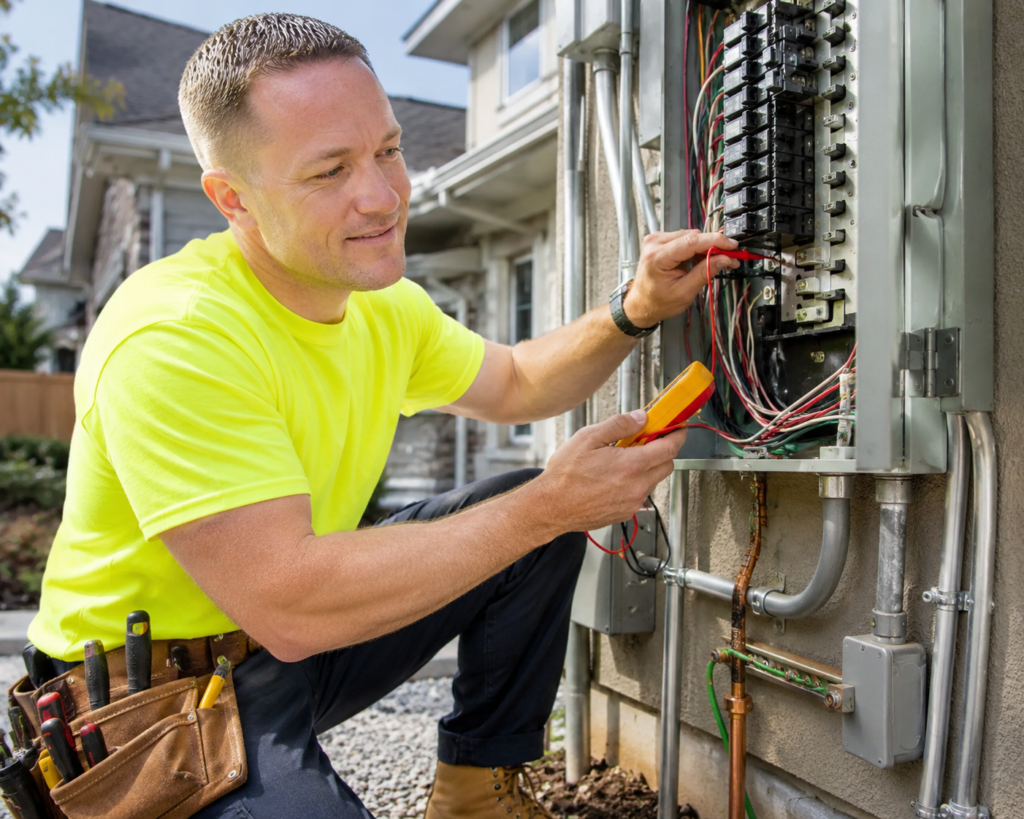
Safety codes exist for one simple reason: to keep your family safe from shock and fire. Most homeowners have never read the electrical code, and the truth is, you do not need to. But knowing the basics helps you spot when your home falls short. It also helps you ask the right questions when you bring in a pro.
The rules that guide home wiring are updated over time as we learn more and as homes use more power. A home that met the code 30 years ago may not meet it today. This article gives you a plain look at the key code requirements for home electrical systems, what they mean for you, and how to know if your home measures up.
Why Electrical Safety Codes Matter
Think of the electrical code as a set of safety rules built from years of hard lessons. Each rule is there because someone learned, often the hard way, that a certain setup was not safe. Over the years, the code has grown and changed to match how we live and how much power we use.
This is why older homes so often need work. A house built decades ago was wired for a much simpler time. It may have far fewer outlets, weaker safety features, and a panel that cannot handle today’s load. The home was safe by the standard of its day, but that standard has moved on. Meeting the current code is how you bring an older home back up to a safe level.
Key Code Requirements for Home Electrical Systems
You do not need to memorize the code. But it helps to know the main safety features it calls for. Here are the requirements that matter most in a home.
Proper Grounding and Bonding
Grounding is the safety net of your whole system. It gives extra electricity a safe path to follow when something goes wrong, instead of passing through you. Bonding ties the metal parts of your system together so they all stay at a safe level. When grounding or bonding is missing or done poorly, the shock risk is real, and it stays hidden until the moment it matters. Current code is strict about this for good reason.
GFCI Protection in Wet Areas
Water and electricity are a dangerous mix. That is why the code calls for GFCI protection in spots where water is common. These are outlets that shut off power in a flash if they sense a problem. You need them in kitchens, bathrooms, garages, laundry areas, and outdoors. Many older homes have none at all, which leaves these rooms exposed.
AFCI Protection for Living Spaces
An arc fault happens when electricity jumps across a gap in a damaged or loose wire. It can spark a fire inside your walls where you would never see it. AFCI protection watches for these faults and cuts the power before a fire can start. The code now calls for this protection in most living spaces, like bedrooms and family rooms.
Tamper-Resistant Outlets
These outlets have small built-in covers that block anything other than a real plug. They are designed to keep children safe from sticking objects into the slots. The code now requires them in homes, and they are a simple feature that prevents a scary kind of accident.
Enough Circuits and Outlets per Room
The code sets rules for how many outlets and circuits a room should have. The goal is to give you enough places to plug in so you are not forced to overload one spot. A room with too few outlets pushes people toward power strips and long cords, which raises the risk of trouble. Proper spacing keeps the load spread out and safe.
A Panel That Meets Today’s Demands
Your panel is the heart of the system. Every circuit runs through it. The code requires a panel that can safely handle your home’s load and protects each circuit the right way. An older panel often cannot meet current code or keep up with how much power a modern home uses. In that case, an electrical panel upgrade brings the home up to standard and makes the rest of your system safe to use. The team at Bee-lectric helps homeowners replace old or unsafe panels so the whole system meets code and runs the way it should.
Signs Your Home May Not Meet Code
You can do a quick self-check today. Any of these signs may mean your home no longer meets current code:
- An old fuse box instead of a modern breaker panel
- Two-prong outlets that lack a ground
- No GFCI outlets in the kitchen, bathroom, or outdoor areas
- Breakers that trip again and again
- A burning smell or warm spots near outlets or the panel
- A home that has never had an electrical update
None of these means you are in danger this second. But each one is a good reason to have a pro take a closer look.
How a Professional Helps You Stay Compliant
The code can feel like a lot, and it changes over time. A trained electrician keeps up with the current rules, so you do not have to. They can walk through your home, check your system against today’s standards, and tell you exactly where you stand. You get a clear picture of what is safe, what needs work, and what can wait.
As a commercial and residential electrician serving the greater NEPA area, Bee-lectric checks your system against current code and gives you honest, clear next steps. There is no guesswork and no pressure. You simply learn what your home needs and how to get there at a pace that works for you.
When to Schedule a Code Check
Some moments are a smart time to make sure your home meets code:
- Before you buy or sell a home, since code issues can affect the sale
- When your home is older and has never been updated
- After a remodel that touched the wiring
- Before you add a big new load, like an EV charger or a new appliance
If any of these fit your situation, a code check is worth your time. It is far easier to fix an issue on your own schedule than to scramble when something fails.
Make Sure Your Home Meets Today’s Standards
In Throop, PA, electrical safety codes are not there to make life harder. They are there to protect your home and the people in it. Knowing the basics helps you see where your home stands and what it might need to stay safe.
If you are not sure your home meets today’s standards, the best step is a simple check from someone who knows the code. Reach out to Bee-lectric to make sure your home is safe and up to current standards. Call (570) 525-5908 to get started today.