
The way people move money has changed dramatically over the past decade. What once required multiple steps, waiting periods, and visits to a bank branch can now happen in seconds through a smartphone. As financial technology continues to evolve, digital finance tools are transforming how individuals send, receive, and manage their money.
From mobile payment apps to blockchain-powered platforms, innovation in fintech has accelerated the speed and convenience of financial transactions. Today’s financial ecosystem is increasingly built around immediacy, giving users the ability to move funds, make payments, and access financial services faster than ever before.
The Shift Toward Real-Time Payments
One of the biggest trends shaping modern finance is the rise of real-time payment systems. Traditional bank transfers often required several business days to process, particularly when transactions involved different financial institutions or international payments.
In contrast, modern payment networks now allow funds to move almost instantly. Peer-to-peer payment apps, digital wallets, and real-time banking infrastructure have drastically reduced waiting times. Whether splitting a bill with friends or transferring money to family members, users increasingly expect transactions to happen immediately.
Financial institutions around the world are responding to this demand by investing heavily in faster payment systems. These innovations are helping reshape consumer expectations about how quickly money should move in the digital age.
Mobile Finance Apps Are Leading the Change
The widespread adoption of mobile finance apps has also played a major role in speeding up financial transactions. Many consumers now manage their finances primarily through their smartphones, using apps that allow them to check balances, send money, pay bills, and monitor investments from anywhere.
These platforms are designed with simplicity and convenience in mind. User-friendly interfaces, automated features, and real-time notifications make it easier for individuals to stay on top of their financial activities without needing extensive financial knowledge.
For many users, mobile finance apps have become an everyday tool. Instead of relying on traditional banking hours or in-person services, individuals can handle most financial tasks instantly, often with just a few taps on their devices.
Blockchain Technology and Digital Assets
Another technological advancement contributing to faster financial transactions is blockchain technology. Originally developed as the underlying technology behind cryptocurrencies, blockchain enables decentralized and transparent transaction systems that operate without traditional intermediaries.
Because blockchain transactions are processed across distributed networks rather than through centralized financial institutions, transfers can often be completed more quickly and efficiently. This has led to growing interest in digital assets as part of the evolving financial landscape.
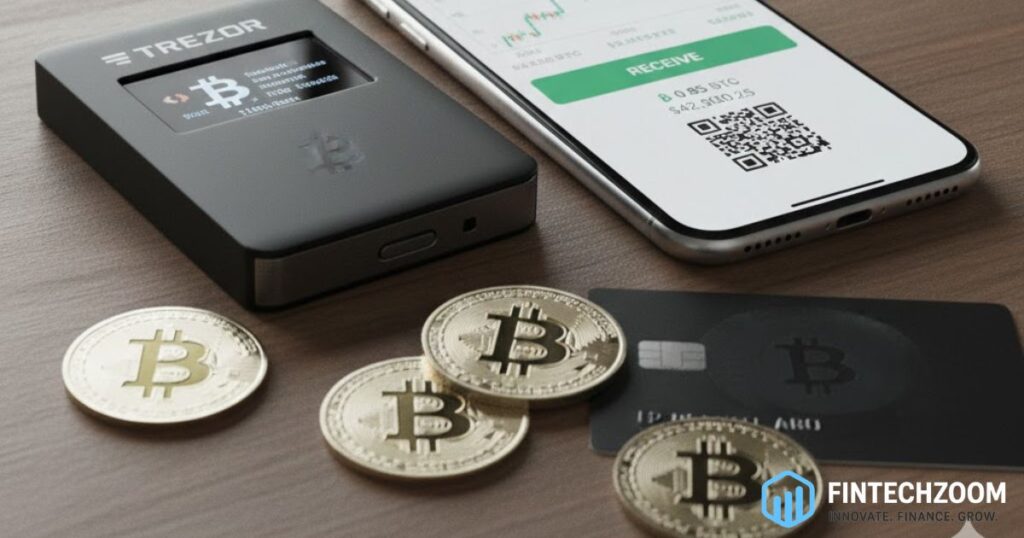
As digital finance platforms continue to expand their services, some users are exploring tools that allow them to buy and send crypto instantly, offering another option for transferring value across digital networks. While digital assets are still a relatively new addition to the financial ecosystem, they highlight how technology is expanding the possibilities for faster and more flexible financial transactions.
Why Speed Matters in Modern Finance
Faster financial transactions offer several practical benefits for individuals and businesses alike. Instant payments can make everyday financial activities more convenient, whether it’s paying for services, sending money to friends, or transferring funds between accounts.
For businesses, faster payment systems can improve cash flow and reduce delays in receiving payments. In a digital economy where speed often plays a key role in user experience, efficient payment systems can help companies remain competitive.
Consumers also benefit from greater financial control. Real-time transactions allow people to better track their spending, manage budgets, and respond quickly to unexpected financial needs.
Security and Trust in Fast-Moving Financial Systems
As financial transactions become faster and more accessible, maintaining strong security measures becomes increasingly important. Digital finance platforms rely on advanced technologies such as encryption, identity verification, and fraud detection systems to protect user data and financial assets.
Multi-factor authentication, biometric logins, and AI-powered monitoring tools are now commonly used to detect suspicious activity and prevent unauthorized access. These protections help ensure that users can take advantage of faster financial services while maintaining confidence in the safety of their transactions.
However, users also play an important role in maintaining security. Practicing good digital hygiene, such as using strong passwords, enabling additional security features, and avoiding suspicious links, can significantly reduce the risk of fraud or account compromise.
The Future of Instant Finance
Looking ahead, the demand for faster financial services is likely to continue growing. As fintech companies innovate and financial institutions adapt, new technologies will likely further streamline how money moves through the global economy.
Artificial intelligence, open banking systems, and expanded blockchain applications may help create even more seamless financial experiences. In the coming years, financial services could become increasingly integrated into everyday digital platforms, making it easier than ever for people to manage their money.
Conclusion
Digital finance is reshaping the speed and accessibility of financial transactions around the world. What once required days or even weeks can now happen in seconds, thanks to advancements in fintech, mobile technology, and blockchain innovation.
As financial tools continue to evolve, individuals have more opportunities than ever to manage their finances efficiently and take advantage of modern financial services. By combining speed, security, and accessibility, digital finance is paving the way for a more connected and responsive financial future.