Most adults carry a payment card every day and few have read its terms. The card sits in a wallet, works quietly, and is remembered only when a payment fails.
That habit is understandable, but it has a cost. Cards differ in fees, limits, protections and the way they handle everyday mistakes. Choosing deliberately takes an hour and prevents years of small irritation.
Debit, credit and virtual cards: what each is for
A debit card spends your own money, straight from the account. Nothing is borrowed, so nothing accrues interest, and the balance is a natural brake on spending. For salary, groceries and transport, it remains the simplest tool.
A credit card spends the lender’s money, up to a limit, and asks for repayment later. Used within the interest free window, if the card has one, it works as short term convenience. Used without a plan, it becomes expensive borrowing. The difference lies entirely in the habit.
A virtual card has no plastic. It exists in an app, with its own number, and is made for online payments. Because it can be created quickly and replaced without a branch visit, many people use one specifically for internet shopping and subscriptions, keeping the main card out of risky places.
Whichever type you choose, ask what the card is for before asking what it offers. A card without a job tends to be forgotten, and a forgotten card is a fee waiting to happen.
What a free card can really cost
“Free” on a card usually describes one price, most often the cost of issuing it. Other charges can still apply: annual or monthly maintenance, fees for cash withdrawal, charges on transfers, costs for text alerts, and commissions on foreign transactions.
Read the tariff page, not the headline. Look for the conditions attached to the word free. Some cards are free only with a minimum monthly spend, a minimum balance, or an active salary credit. Fall below the condition and the fee returns without a loud announcement.
Withdrawal limits and terminal fees deserve attention if you use cash. A card that charges nothing at the issuer’s own machines and a fee elsewhere may suit you or may not, depending on where you live and how you shop.
Replacement matters too. Ask what it costs and how long it takes to get a new card if one is lost, and whether you can freeze the old one immediately from your phone.
Everyday safety habits
People who search for банковская карта are looking for a tool that holds their money, so safety belongs in the decision from the first day. The strongest protections are habits, not features.
Never share the one time code sent by text message, even with someone who claims to work for the bank. Genuine staff do not ask for it. The same applies to the card’s security number and the PIN.
Turn on transaction alerts. A message within seconds of a payment is the fastest fraud detector available to an ordinary person. If a charge looks wrong, block the card first and ask questions second.
Set sensible limits. A daily cap on online payments and on cash withdrawals means a thief or a mistake can only do limited harm. Most apps let you change limits in a minute, so there is little reason to leave them at the highest setting.
Use secure networks. Public Wi-Fi in a cafe is a poor place to enter card details. When in doubt, wait until you are on your mobile connection or at home. If the card is ever lost, block it from the app within minutes, not hours, and order a replacement only after the old one is frozen.
Plastic, virtual and phone wallets
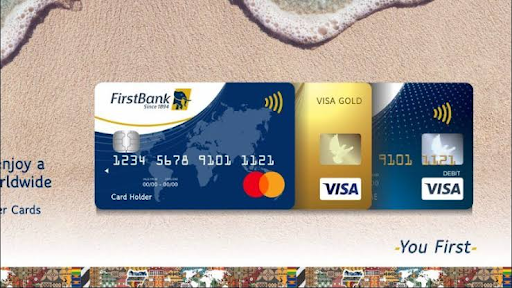
The form of the card changes how you use it. Plastic is accepted almost everywhere and works without a phone battery. Virtual cards are safer for online payments. Phone wallets let you tap to pay without taking out the card, and many people find they leave the plastic at home.
This is not either or. A common arrangement is one plastic card for emergencies and cash machines, one virtual card for online purchases, and a wallet on the phone for daily taps. Each form covers the weakness of another.
Check which devices and terminals work with the card you pick. Contactless payment depends on both the card and the merchant’s terminal, and acceptance varies more than it should.
Choosing a card by how you spend
Start with a week of honest tracking. Note where your money goes: transport, groceries, online services, travel. A card that rewards one category you barely use is no bargain.
Then consider what you want from the account itself. Do you need to send money to relatives often? Pay utilities? Receive a salary? The card is only the visible part of a bundle that includes transfers, bill payments and alerts, and the bundle matters more than the plastic.
Searches such as bepul plastik karta ochish show how many people want a simple entry point: a card with no issuing charge and a quick online process. That is a sensible place to begin, as long as the reader still checks the maintenance fee and the conditions that keep it at zero.
If you are opening a card for a teenager or an older relative, favour simplicity: low limits, clear alerts, and a way for you to help without handling their password.
When to change or close a card
Review your cards once a year. Fees change, offers change, and so do your habits. A card that suited a student budget may be wrong for a family one.
If you no longer use a card, close it formally rather than leaving it in a drawer. An unused card with a small recurring fee drains money quietly, and a dormant account is an easy target for fraud.
Before closing, move any recurring payments to the new card, and keep the old one active until you have seen the first bill clear. Then close it, and keep confirmation that the account is shut.