
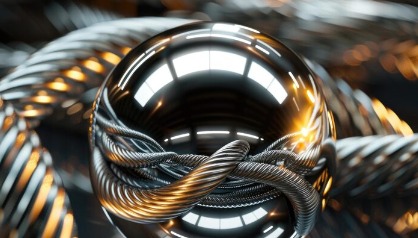
In industries that rely on heavy lifting, towing, mining, or marine operations, steel cables are constantly exposed to extreme loads and harsh environmental conditions. Without proper care, these cables can quickly degrade, leading to reduced performance, higher maintenance costs, and safety risks. One of the most effective ways to maintain their reliability is by using a high-quality steel cable lubricant, which plays a key role in improving efficiency and maximizing return on investment.
Reducing Internal Friction for Smoother Performance
Steel cables are made up of multiple strands that continuously move against each other during operation. Over time, this movement creates friction, which can lead to internal wear and reduced flexibility. A proper lubricant penetrates between these strands, reducing friction and allowing the cable to operate more smoothly under load.
This improved efficiency not only enhances performance but also reduces the strain on machinery, helping systems run more consistently with less energy consumption.
Preventing Corrosion in Harsh Environments
Steel cables are often used outdoors or in industrial environments where exposure to moisture, salt, and chemicals is unavoidable. Without protection, these elements can lead to rust and corrosion, which significantly weakens the cable structure.
A quality lubricant forms a protective barrier around the steel surface, helping to block moisture and contaminants. This extends the life of the cable and reduces the likelihood of premature failure, especially in coastal or high-humidity environments.
Extending Cable Lifespan and Reducing Replacement Costs
Replacing steel cables can be expensive, especially in large-scale operations where downtime also impacts productivity. Regular lubrication helps slow down wear and tear, extending the usable life of each cable.
By reducing the frequency of replacements, businesses can lower long-term operational costs and allocate resources more efficiently. This directly improves return on investment by maximizing the value extracted from each cable over time.
Improving Safety in High-Load Operations
Safety is a top priority in any industry that uses steel cables for lifting or tension-based applications. Friction, corrosion, and internal damage can all increase the risk of sudden cable failure.
Proper lubrication reduces these risks by maintaining the structural integrity of the cable. A well-maintained cable is less likely to snap or degrade unexpectedly, helping protect both workers and equipment in high-risk environments.
Enhancing Operational Consistency and Productivity
When steel cables are properly maintained, equipment operates more predictably and efficiently. Smooth cable movement ensures that machines perform at optimal levels without unnecessary interruptions or performance drops.
This consistency is especially important in industries where timing and precision are critical. Reduced downtime and fewer maintenance interruptions lead to higher overall productivity.
Lowering Energy Consumption and Equipment Strain
Poorly maintained cables can create additional resistance during operation, forcing machinery to work harder. This increases energy consumption and accelerates wear on related components such as motors, pulleys, and winches.
By keeping cables well-lubricated, friction is minimized, allowing equipment to operate more efficiently and reducing overall energy usage. This contributes to lower operating costs and improved system longevity.
Final Thoughts
Maintaining steel cables is not just about extending their life—it’s about improving overall system performance, safety, and cost efficiency. The use of a high-quality steel cable lubricant helps reduce friction, prevent corrosion, and ensure consistent operation across demanding industrial environments. Over time, this simple maintenance step delivers significant improvements in productivity and ROI, making it an essential part of any equipment care strategy.
READ ALSO: Home Depot Rival Files for Bankruptcy Chapter 11 in 2026