Technology shapes modern events. Audiences expect massive screens, crystal-clear audio, smooth presentations, and immersive lighting from the moment they walk into a venue. None of that happens by accident. A professional av production company coordinates the technical systems that keep live experiences polished, engaging, and stress-free for organizers and attendees alike.
Live events have become more demanding.
People compare conferences, seminars, and corporate meetings to:
- Concert productions
- Streaming platforms
- Television broadcasts
- Major brand activations
Audience expectations are higher than ever.
That is why production quality matters so much.
Professional AV teams handle the behind-the-scenes systems that audiences rarely notice until something goes wrong.
What an AV Production Company Actually Does
Many people think AV production only means microphones and projectors.
The reality is far more complex.
Professional AV companies manage:
- Audio engineering
- Lighting design
- Video playback
- LED wall operation
- Camera production
- Livestream systems
- Stage design
- Event coordination
- Technical rehearsals
Every piece must work together perfectly.
One technical issue can disrupt an entire presentation or conference session.
That coordination is what separates professional events from disorganized ones.
Professional production companies also provide end-to-end support for:
- Corporate events
- Hybrid conferences
- Livestream broadcasts
- Product launches
- Trade shows
- Sales meetings
- Interactive virtual experiences
Audio Quality Impacts Audience Engagement Immediately
Bad audio ruins events fast.
People can tolerate average visuals briefly. They lose focus quickly when the sound quality becomes difficult to understand.
Poor audio creates:
- Audience frustration
- Missed information
- Listener fatigue
- Distracting feedback
- Weak engagement
Professional audio engineers manage:
- Speaker placement
- Frequency tuning
- Microphone selection
- Echo reduction
- Volume consistency
Different venues create different challenges.
A ballroom behaves differently from a theater. Outdoor venues require different sound coverage than conference halls.
Experienced AV teams adapt systems to the space.
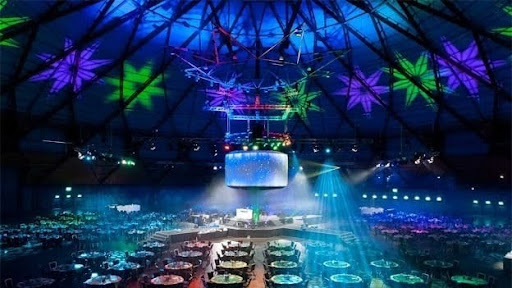
Lighting Changes How Events Feel
Lighting controls mood and energy.
Bright lighting creates excitement. Dim lighting creates focus or intimacy. Colored lighting reinforces branding and emotion.
Professional lighting design helps:
- Highlight speakers
- Improve camera quality
- Direct audience attention
- Increase stage visibility
- Create immersive experiences
Poor lighting can make events feel flat and low-budget.
Good lighting adds depth and professionalism instantly.
Modern AV companies also use advanced lighting systems synchronized with:
- Music
- Video playback
- Presentation cues
- Stage transitions
That synchronization creates smoother audience experiences.
LED Walls Became a Standard Feature
Large LED displays transformed event production.
Modern events now rely heavily on:
- Motion graphics
- Digital backdrops
- Sponsor visuals
- Real-time presentations
- Dynamic stage environments
LED walls create a stronger visual impact than traditional projection systems.
They remain bright in:
- Large venues
- Outdoor spaces
- High-ambient-light environments
Professional AV companies manage the technical aspects of:
- Screen resolution
- Playback systems
- Signal routing
- Visual formatting
Large digital displays require careful setup to look sharp and seamless.
Hybrid Events Increased Production Complexity
Hybrid events combine:
- In-person audiences
- Remote viewers
- Livestream interaction
This changed event production dramatically.
Companies now need production systems that support both physical and virtual experiences simultaneously.
Professional AV companies handle:
- Multi-camera livestreams
- Remote audience feeds
- Interactive Q&A systems
- Streaming platforms
- Broadcast-quality audio
Strong livestream production is now essential for many businesses.
Camera Production Extends Event Value
Events no longer exist for one day only.
Companies repurpose footage into:
- Social media clips
- Marketing videos
- Internal training
- Promotional campaigns
- Highlight reels
That makes camera quality extremely important.
Professional camera teams improve:
- Visual storytelling
- Audience engagement
- Brand presentation
- Content longevity
Poor footage reduces the long-term value of event content.
AV Companies Handle More Than Equipment
Great production companies do more than rent gear.
They provide:
- Planning
- Technical direction
- Troubleshooting
- Creative design
- Event management support
Professional AV teams often assist with:
- Stage layouts
- Event flow
- Technical rehearsals
- Cue timing
- Presentation logistics
This support reduces stress for organizers significantly.
Corporate Events Require Precision
Corporate events often involve:
- Executives
- Investors
- Clients
- Industry partners
Technical problems during these events can damage credibility.
Professional AV companies prepare extensively through:
- Site visits
- Equipment testing
- Backup planning
- Rehearsals
- Signal verification
Preparation reduces risk during live presentations.
Most attendees never see this work happening behind the scenes.
Wireless Technology Increased Flexibility
Wireless systems changed live production significantly.
Presenters can now move freely across stages without cable restrictions.
Wireless systems support:
- Microphones
- Cameras
- In-ear communication
- Presentation remotes
However, wireless systems also introduce technical complexity.
Signal interference can disrupt live events instantly.
Professional AV companies monitor wireless frequencies continuously during productions.
Event Production Requires Constant Communication
Live events move fast.
Production teams coordinate through:
- Intercom systems
- Cue sheets
- Run-of-show documents
- Technical timelines
Every department must stay synchronized.
Lighting, audio, video, and stage management all depend on communication.
One missed cue can affect the flow of an entire session.
AV Production Influences Brand Perception
Production quality shapes audience perception immediately.
Strong production communicates:
- Professionalism
- Organization
- Attention to detail
- Brand credibility
Weak production creates a distraction.
Even strong speakers struggle when technical issues interrupt presentations.
Professional AV companies help ensure the audience focuses on the message instead of technical problems.
Outdoor Events Create Unique Challenges
Outdoor production introduces additional variables.
Teams must account for:
- Wind
- Sunlight
- Rain
- Environmental noise
- Power distribution
Outdoor audio systems behave differently from indoor systems.
Lighting conditions change throughout the day.
Professional AV companies prepare contingency plans for changing weather conditions and technical challenges.
Livestreaming Requires Broadcast-Level Coordination
Modern livestream audiences expect high-quality production.
Viewers quickly notice:
- Audio sync problems
- Buffering
- Poor camera angles
- Weak internet connections
Professional AV companies manage:
- Streaming encoders
- Internet redundancy
- Multi-camera switching
- Graphics integration
- Remote audience feeds
Reliable streaming systems are critical for hybrid events.
Event Technology Continues Evolving
The AV industry changes rapidly.
Modern productions now include:
- Interactive audience tools
- Projection mapping
- Augmented reality
- Virtual stages
- AI-assisted production workflows
Professional AV companies stay updated on:
- Equipment advancements
- Software platforms
- Streaming technology
- Display innovations
Technology evolves constantly, and audiences notice outdated production quickly.
Stage Design Impacts Audience Experience
Stage layouts affect:
- Visibility
- Audience attention
- Camera framing
- Speaker confidence
Professional AV companies often collaborate with:
- Event planners
- Marketing teams
- Designers
- Venue managers
The goal is to create a cohesive visual experience.
Strong stage design makes presentations feel more dynamic and engaging.
Backup Systems Prevent Major Problems
Experienced AV companies always prepare backup solutions.
This may include:
- Spare microphones
- Secondary playback systems
- Backup internet connections
- Additional cables
- Redundant power systems
Live production always carries risk.
Redundancy minimizes disruptions during critical moments.
Great AV Production Feels Invisible
The best productions feel effortless to audiences.
When:
- Audio sounds clean
- Visuals transition smoothly
- Lighting feels natural
- Presentations flow properly
People focus entirely on the experience itself.
That seamless execution requires:
- Planning
- Technical skill
- Communication
- Fast problem-solving
Professional AV production removes friction from live events.
Technology alone does not create memorable experiences. Skilled execution does