As digital payments continue to evolve, more people are looking for convenient ways to use their cryptocurrency in everyday life. A virtual crypto card helps bridge the gap between digital assets and traditional payments by allowing users to make eligible purchases online without carrying a physical card. Solutions such as Karta crypto card combine a crypto wallet with a virtual payment card, giving users a practical way to access and use supported digital assets for online transactions. As with any financial service, it’s important to review the provider’s official information to understand its supported features, availability, and terms before getting started.
Whether you’re new to cryptocurrency or already manage digital assets, understanding how a virtual crypto card works can help you decide if it fits your payment needs. This guide explains the technology, benefits, practical use cases, security considerations, and factors to evaluate before choosing a provider.
What Is a Virtual Crypto Card?
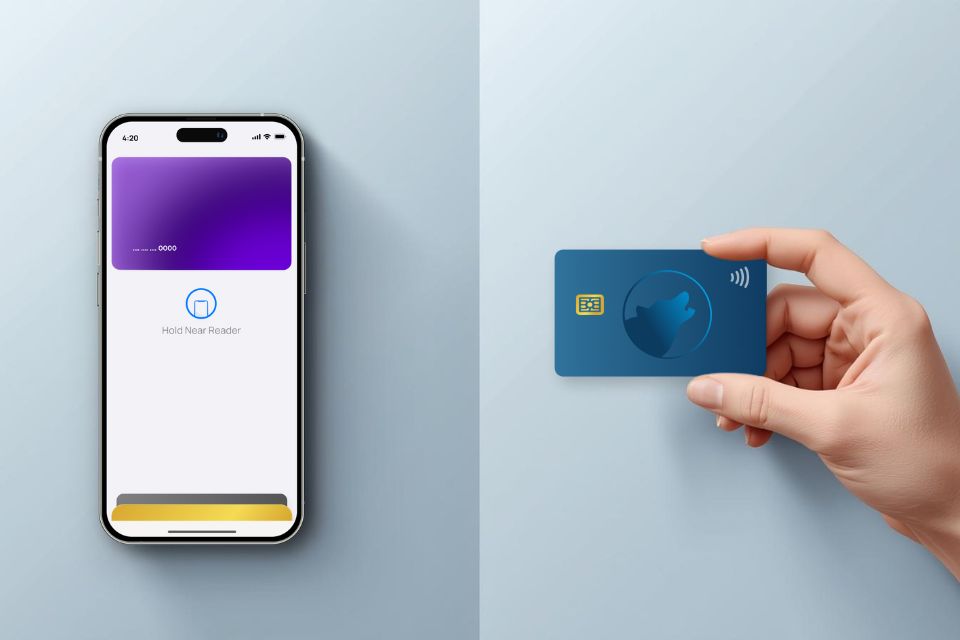
A virtual crypto card is a digital payment card that allows users to make online purchases using supported digital assets through a compatible payment network. Unlike a physical card, a virtual card exists entirely online and includes all the essential payment details needed to complete eligible transactions.
Many providers pair a virtual crypto card with a digital wallet, making it easier for users to manage their assets and pay for goods or services from a single platform.
Key Characteristics
A virtual crypto card typically offers:
- Digital card credentials for online payments
- Integration with a crypto wallet
- Secure account management
- Transaction history
- Support for eligible online merchants
- Fast access after account setup
Since no physical card is required, users can often begin using the service soon after completing the registration process and meeting any applicable requirements.
How Does a Virtual Crypto Card Work?
Although each platform has its own onboarding process, the general workflow is similar.
Step 1: Create an Account
Users first register with a provider that offers virtual crypto payment services. Depending on local regulations, identity verification may be required before certain services become available.
Step 2: Add Supported Digital Assets
Once the account is active, users can fund their wallet with supported cryptocurrencies or digital assets according to the provider’s instructions.
Step 3: Receive a Virtual Card
After setup, the platform generates a virtual payment card containing:
- Card number
- Expiration date
- Security code (CVV)
These details can be used for eligible online purchases just like other virtual payment cards.
Step 4: Complete Online Payments
When shopping online, users simply enter the virtual card information during checkout. The transaction is processed according to the provider’s payment system, available balance, and applicable terms.
Key Benefits of Using a Virtual Crypto Card
Virtual crypto cards have become increasingly popular because they combine the flexibility of digital assets with the convenience of online payments.
Instant Access
Unlike physical cards that require shipping, virtual cards are often available shortly after the account setup process is completed.
Convenient Online Shopping
Virtual cards can simplify purchases on many websites that accept compatible payment networks.
Common examples include:
- Software subscriptions
- Streaming services
- Online retail stores
- Digital products
- Cloud services
- Professional tools
No Physical Card Required
Everything is managed digitally, making the card accessible from compatible devices.
Simple Wallet Integration
Many platforms combine wallet management and payment functionality within one account, reducing the need to switch between multiple applications.
Modern Payment Experience
As more businesses embrace digital payments, virtual cards provide another option for users who prefer managing digital assets.
Virtual Crypto Card vs. Physical Crypto Card
Although both options are designed to simplify payments, they serve different purposes.
| Feature | Virtual Crypto Card | Physical Crypto Card |
| Card Format | Digital only | Plastic or metal card |
| Online Payments | Excellent | Excellent |
| In-Store Payments | Limited to supported digital wallet methods where available | Yes, where accepted |
| Shipping Required | No | Yes |
| Available Quickly | Usually | After delivery |
| Best For | Online shopping and subscriptions | Everyday in-store and online purchases |
For many users, a virtual card offers a practical starting point because it can be used immediately after activation, subject to the provider’s process.
Where Can You Use a Virtual Crypto Card?
A virtual crypto card can be useful in many online payment situations.
E-Commerce Websites
Many online retailers support card payments for products and services.
Examples include:
- Electronics
- Clothing
- Home products
- Educational resources
Subscription Services
Virtual cards can be used for recurring payments such as:
- Video streaming
- Music platforms
- Productivity software
- Cloud storage
Always ensure recurring payments are managed responsibly.
Travel Bookings
Many travel websites allow card payments for:
- Flights
- Hotels
- Car rentals
- Vacation packages
Acceptance depends on the merchant and payment network.
Professional Services
Freelancers, entrepreneurs, and remote workers often pay for:
- Business software
- Website hosting
- Marketing tools
- Online learning platforms
Important Features to Look For
Not all virtual crypto cards provide the same experience. Before choosing one, evaluate the following factors.
Supported Digital Assets
Check whether the platform supports the cryptocurrencies or stablecoins you already use.
Security Features
Look for providers that offer:
- Secure account authentication
- Identity verification where required
- Fraud monitoring
- Login protection
- Transaction notifications
User-Friendly Dashboard
Managing digital assets should be simple.
A good platform should provide:
- Clear balance information
- Easy transaction history
- Wallet management tools
- Straightforward navigation
Transparent Fees
Review the provider’s pricing information before signing up.
Pay attention to:
- Account fees
- Transaction fees
- Currency conversion fees (if applicable)
- Other service charges
Understanding the fee structure helps prevent unexpected costs.
Customer Support
Reliable customer support can make a significant difference if you experience account or payment issues.
How Karta Crypto Card Supports Digital Payments
As cryptocurrency adoption grows, many users want solutions that make digital assets more practical for everyday use. The Karta crypto card is designed to provide users with access to a crypto wallet and payment card experience, allowing them to use supported digital assets more conveniently for eligible purchases.
When evaluating any crypto payment platform, consider:
- Supported assets
- Card availability
- Security features
- Account management tools
- Applicable fees
- Regional availability
Rather than choosing a provider based solely on marketing claims, review its official documentation and compare it with your own payment needs.
Security Tips for Using a Virtual Crypto Card
Security plays an important role in protecting both your account and your digital assets.
Use Strong Passwords
Create a unique password that is difficult to guess and avoid reusing passwords across multiple services.
Enable Available Security Features
If the provider offers additional account protection, consider enabling those features.
Monitor Transactions
Regularly review your transaction history to identify any unexpected activity.
Avoid Public Wi-Fi for Payments
Whenever possible, complete financial transactions using trusted and secure internet connections.
Keep Your Devices Updated
Installing the latest software updates helps protect against known security vulnerabilities.
Frequently Asked Questions
What is the difference between a virtual crypto card and a physical crypto card?
A virtual crypto card exists only in digital form and is primarily intended for online payments, while a physical card can also be used for in-store purchases where accepted.
Can beginners use a virtual crypto card?
Yes. Many providers offer user-friendly interfaces designed for both beginners and experienced users.
Do I need a crypto wallet?
Many platforms include an integrated wallet, while others may support external wallets.
Is identity verification required?
Requirements depend on the provider and the regulations that apply in your jurisdiction.
Can I use a virtual crypto card internationally?
Availability depends on the provider, supported regions, merchant acceptance, and applicable regulations. Review the provider’s official terms before relying on international use.
Final Thoughts
Virtual payment technology has made digital commerce faster and more convenient, and the virtual crypto card is a natural extension of that trend. By combining a digital wallet with online payment capabilities, these cards give users another way to access supported digital assets for everyday online purchases.
Solutions like the Karta crypto card demonstrate how crypto payment services are evolving to meet the needs of modern users. Instead of focusing only on holding digital assets, they aim to make those assets more practical for everyday transactions while maintaining a familiar payment experience.
Before selecting any virtual crypto card provider, compare available features, understand applicable fees, verify regional availability, and read the provider’s official documentation carefully. Making an informed decision will help you choose a service that aligns with your financial goals, payment habits, and local regulatory requirements.
READ ALSO: Why Miners Are Switching to the ASIC Mining Central for Reliable ASIC Mining Hardware