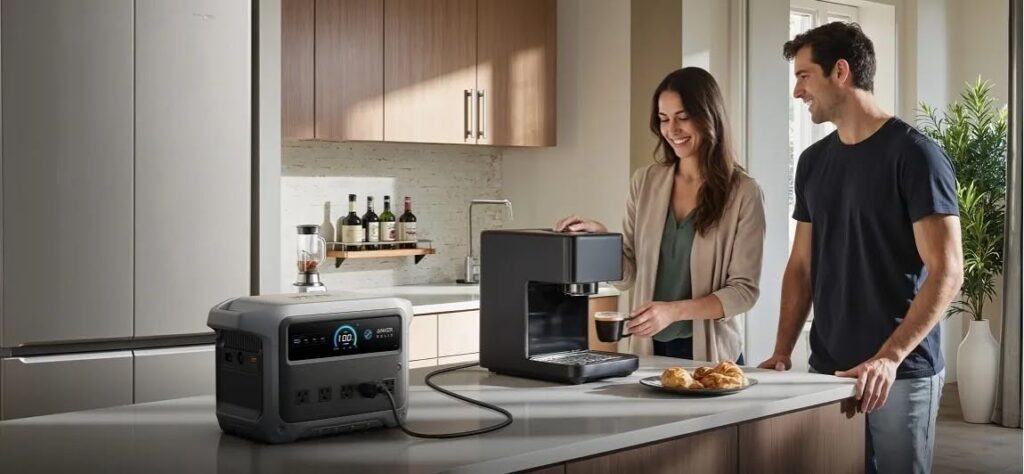
Choosing the best portable power station starts with comparing the specifications that affect real-world performance. Capacity, output, charging speed, battery chemistry, ports, and overall portability determine whether a unit can run phones for a weekend, keep tools powered on site, or provide backup during outages. A spec-focused comparison makes it easier to match power needs with the right model instead of relying on broad marketing claims. For example, the Anker SOLIX C2000 Gen 2 is built for higher-demand backup, while the Anker SOLIX C1000 Gen 2 balances strong output with easier transport for everyday home, travel, and emergency use.
Comparing Portable Power Stations by Essential Features
Capacity Comparison: From Compact to High-Capacity Models
Capacity, measured in watt-hours, shows how much stored energy a portable power station can deliver before recharging. Smaller units are ideal for charging phones, laptops, cameras, lights, and routers during short trips or brief outages. Mid-size and high-capacity models support longer runtimes for appliances, work gear, and multi-device households. The Anker SOLIX C1000 Gen 2 offers 1,024Wh, which suits users who want meaningful backup without moving into oversized equipment. The Anker SOLIX C2000 Gen 2 steps up to 2,048Wh for extended operation and heavier daily loads. If runtime is your priority, higher capacity is the clearest specification to compare first when narrowing choices.
Wattage Comparison: Supporting Different Power Requirements
Wattage determines what a power station can run at one time and whether it can start devices with temporary surges. Lower-output models handle personal electronics and small accessories, while higher-output units support appliances, power tools, and backup circuits more comfortably. The Anker SOLIX C1000 Gen 2 delivers 2,000W of rated output with 3,000W peak power, giving it enough headroom for many home and outdoor tasks. The Anker SOLIX C2000 Gen 2 raises that to 2,400W rated output and up to 4,000W peak power for heavier-demand use. When comparing portable power stations, match the rated wattage to your continuous load and peak wattage to startup demands.
Port and Connectivity Comparison for Multiple Devices
Port selection affects convenience just as much as raw power. A well-equipped portable power station should let you charge phones, laptops, small appliances, and accessories at the same time without relying on extra adapters. Look for a practical mix of AC outlets, USB-C, USB-A, and DC connections based on the devices you use most often. The Anker SOLIX C1000 Gen 2 includes 10 ports, making it a strong fit for users who need to power several devices across home backup, travel, or mobile work setups. When comparing models, count both the number of ports and the variety offered, because flexibility matters when multiple people or devices share one power source.
Comparing Battery Technology and Long-Term Reliability
LiFePO4 Batteries and Cycle Life Advantages
Battery chemistry plays a major role in long-term value, durability, and everyday confidence. LiFePO4 batteries are widely preferred in portable power stations because they offer better thermal stability, longer cycle life, and more consistent performance than older chemistries. That means the unit can be charged and discharged many times while retaining useful capacity over the years. For buyers who expect regular use during camping, remote work, or outage preparedness, LiFePO4 is one of the most important specs to prioritize. It supports a stronger ownership case than focusing on headline power figures alone. When comparing models, a durable battery platform often matters as much as capacity or output on the spec sheet.
Safety Features and Smart Energy Management
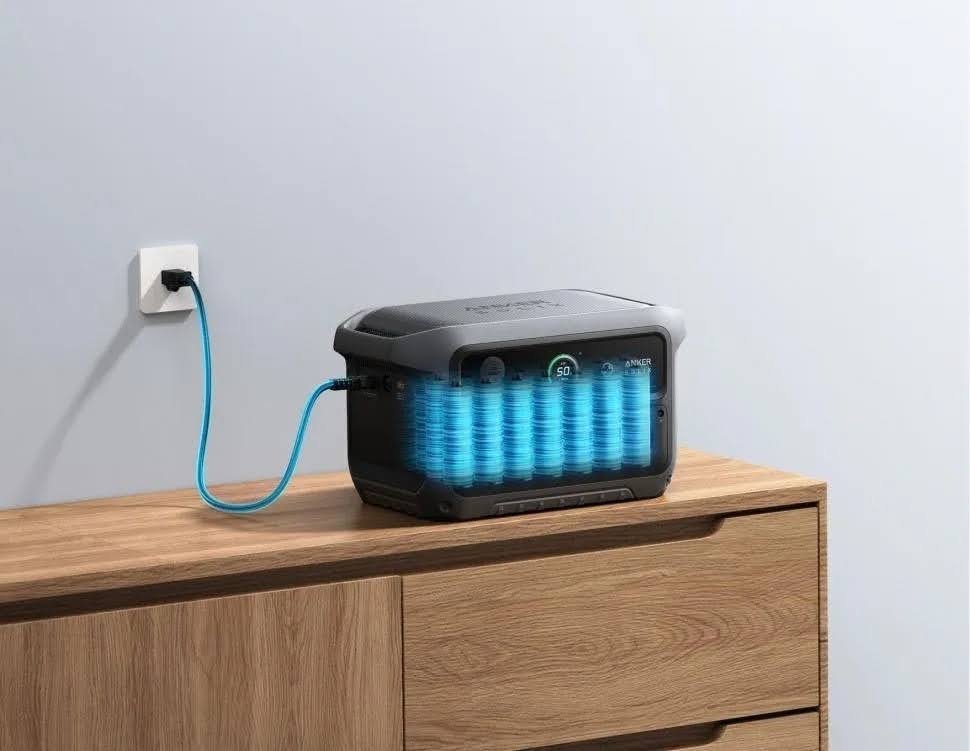
Reliable performance depends on more than battery chemistry. Strong safety systems help protect the battery, connected devices, and the user during charging, storage, and high-load operation. Look for temperature monitoring, overvoltage protection, short-circuit protection, overload control, and battery management systems that balance cells and regulate charging behavior. Smart energy management also improves efficiency by distributing output appropriately and helping the station recharge quickly without unnecessary stress. Fast recharge capability is especially useful for backup readiness because it reduces downtime between uses. A well-designed portable power station should pair high output with intelligent protection, ensuring that strong specifications translate into dependable real-world operation rather than unstable or inconsistent performance over time.
How to Choose the Right Portable Power Station by Specs?
The best portable power station is the one whose specifications match your actual usage pattern. Start with capacity to estimate runtime, then check rated and peak wattage to confirm it can run your priority devices safely. Next, review charging speed, battery chemistry, and the number and type of ports you need daily. If easier transport matters, a balanced model makes more sense than simply buying the largest option available. Users needing longer backup and heavier appliance support should focus on higher-capacity, higher-output designs. Users who want strong all-around performance with better portability should prioritize efficient mid-capacity models with fast recharge and versatile connectivity for routine backup, travel, and work.
Conclusion
The best portable power station compared by key specs is the one that aligns capacity, wattage, charging speed, battery technology, and connectivity with your real needs. Capacity tells you how long it can run, wattage shows what it can power, and battery quality influences long-term reliability. Port selection and smart safety features shape everyday usability. In practical terms, the Anker SOLIX C2000 Gen 2 suits users who need longer backup and more demanding output, while the Anker SOLIX C1000 Gen 2 is a strong choice for balanced portability and performance. Compare specifications carefully, and the right option becomes much easier to identify.