
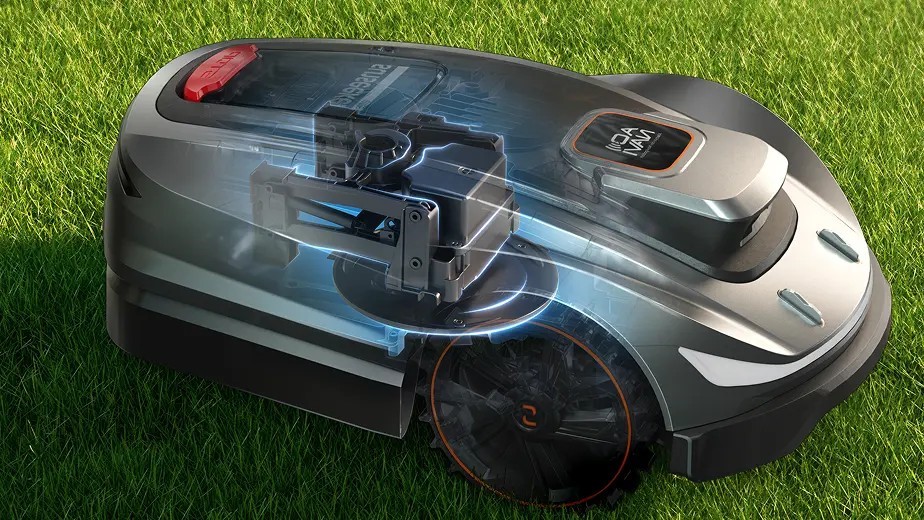
Robot mower mulching blades help keep grass neat by cutting small amounts often and leaving fine clippings on the lawn. These clippings settle back into the turf and break down naturally, which reduces bagging and supports cleaner routine care. For beginners, the key is understanding how blade sharpness, fit, balance, and replacement timing affect mowing results. The right blades can improve cut quality, reduce torn grass tips, and help the mower work more efficiently across daily schedules, thicker growth, and changing lawn conditions.
How Robot Mower Mulching Blades Work
Fine Clippings and Lawn Nutrient Return
Mulching blades cut grass into small pieces that fall back into the lawn instead of being collected. When the mower trims lightly and often, these fine clippings settle between grass blades and break down near the soil surface. As they decompose, they return small amounts of nutrients to the lawn. This process works best when the grass is not too long, the mower runs regularly, and the clippings stay light enough to disappear into the turf.
Sharp Blades vs. Dull Blades
Sharp blades slice grass cleanly, while dull blades tear and bruise the tips. Torn grass often looks pale, ragged, or brown after mowing, which can make the lawn appear stressed even when the mower runs on time. Clean cuts support a fresher finish and help clippings break down more evenly. Beginners should inspect blades often, especially during fast-growing seasons, because small blades can lose sharpness faster when they hit twigs, grit, or dry stems.
Small Daily Cuts Instead of Heavy Mowing
Robot mowers work best with frequent, light trimming rather than heavy grass removal. Small daily or scheduled cuts create finer clippings, which settle faster and leave fewer visible piles. Heavy mowing can overload the cutting system, create clumps, and make the lawn look uneven. A steady routine also keeps grass height under control. This little-and-often method is one reason mulching robot mowers can maintain a tidy lawn between weekends.
Why Blade Speed and Balance Matter
Blade speed and balance affect how smoothly robot mowers with mulching blades cut. A balanced blade system spins evenly, reduces vibration, and helps the mower trim grass at a consistent height. If blades are bent, loose, unevenly worn, or installed incorrectly, the mower may sound rough or leave patchy results. Good balance also protects the cutting motor from unnecessary strain. Always replace damaged blades as a set when the mower design requires matched rotation and even cutting performance.

Choose the Right Blades for Your Mower
Check Blade Size, Shape, and Fit
Start with the mower’s approved blade size and shape. Even small differences in length, screw hole position, thickness, or edge design can affect cutting quality and safety. A blade that does not fit correctly may loosen, scrape the deck, or spin unevenly. Check the manual before buying replacements, and use the correct screws when required. Proper fit keeps the mower stable, protects the cutting system, and supports reliable mulching performance.
Compare Standard, Titanium, and Heavy-Duty Blades
Standard blades are suitable for routine mowing on well-kept lawns. Titanium-coated or hardened-edge blades can offer stronger wear resistance when used with compatible mower models. Heavy-duty fixed blades are better suited to thicker growth, larger schedules, or tougher mowing conditions. Sunseeker Elite supports durable blade kits, premium hardened-edge blades, and heavy-duty fixed blades, giving homeowners flexible options for regular care, denser grass, or wider mowing demands without changing the purpose of mulching.
Match Blades to Grass Type and Lawn Conditions
Blade choice should match how your lawn grows. Fine grass on a smooth lawn may only need standard replacement blades. Thicker grass, fast seasonal growth, or larger yards may benefit from stronger blade materials. Uneven ground, dry stems, and hidden debris can wear blades faster, so inspect them more often. For clean mulching, choose blades that cut efficiently without overloading the mower or tearing grass tips.
Replace and Maintain Mulching Blades Safely
Know When Blades Need Replacement
Replace blades when the mower leaves ragged grass tips, misses patches, makes unusual cutting noise, or needs more passes to achieve the same finish. Visible chips, bends, rust, and rounded edges also signal wear. Do not wait until the lawn looks poor across every zone. Fresh blades help the mower cut cleanly, create finer clippings, and reduce strain on the motor. Keep a simple replacement schedule during the main growing season.
Turn Off Power Before Blade Changes
Always turn off the mower completely before changing blades. Remove it from the charging dock, follow the shutdown steps in the manual, and wear protective gloves. Place the mower on a stable surface so it cannot shift while you work. Use the correct tool for the blade screws and avoid forcing stuck parts. Careful handling protects your hands, prevents accidental blade movement, and helps keep the cutting system aligned.
Clean Grass Build-Up Under the Mower
Grass build-up under the mower can reduce mulching quality. Wet clippings, dust, and packed debris may block airflow, limit blade movement, or hide damage. Check the underside regularly, especially after mowing damp grass or thick growth. Use a soft brush or approved cleaning method from the manual, and avoid spraying sensitive parts unless the mower is designed for it. A clean cutting area helps blades spin freely and keeps clippings fine.
Store Spare Blades and Screws Properly
Store spare blades and screws in a dry, labeled container where they will not rust, bend, or get lost. Keep them away from children, moisture, and loose garden chemicals. If your mower uses specific screws, store those with the matching blade set. Mixing parts can lead to poor fit or unsafe installation. A small maintenance box with gloves, tools, blades, and spare screws makes seasonal blade changes faster and safer.
Conclusion
Robot mower mulching blades work best when they stay sharp, balanced, clean, and correctly fitted. For beginners, the right approach is simple: mow often, avoid heavy cuts, match blades to your mower and lawn conditions, and replace worn blades before they damage cut quality. Fine clippings can support a cleaner lawn surface and reduce yard waste. With safe maintenance habits and proper blade storage, your mower can deliver consistent mulching results all season.