Solar panels let beginners turn sunlight into usable electricity for homes, travel, and emergency backup. Before buying, it helps to understand what panels do, what they cannot do, and how to match a system to your real energy needs. A solar setup is more than just the panel itself. Output changes with sunlight, angle, temperature, shading, and the equipment connected to it. Beginners should focus on four basics: how energy is generated, how much power they need, where they plan to use the system, and whether portability or permanent installation matters more. Learning these fundamentals makes it easier to compare options, avoid overspending, and choose a solar solution that delivers practical, reliable performance instead of just impressive-looking specifications on paper.
How Solar Panels Work and Convert Sunlight Into Power
The Basic Process Behind Solar Energy Generation
Solar panels generate electricity through photovoltaic cells, usually made from semiconductor materials such as silicon. When sunlight hits these cells, photons transfer energy to electrons and create an electric current. That current starts as direct current, or DC power. Since many household appliances use alternating current, or AC power, an inverter is often needed to convert electricity into a usable form. The amount of power produced depends on sunlight intensity, panel orientation, weather, and shade. Solar panels produce energy whenever light is available, not only during hot weather. Beginners should remember that panels generate power, while batteries store it for later use. That difference is central when planning any solar system.
Key Components That Make a Solar System Work
A complete solar system usually includes more than panels. The panel captures sunlight, but other parts control, convert, and distribute electricity. A charge controller regulates power flowing to a battery and helps prevent overcharging. A battery stores energy for nighttime use, cloudy conditions, or backup needs. An inverter changes DC electricity into AC electricity for common devices and appliances. Mounting hardware secures the panel at an effective angle, whether on a roof, ground frame, vehicle, or portable stand. Cables and connectors link everything together safely. Some systems also include monitoring tools that show energy production and battery status. For beginners, understanding each part prevents confusion when comparing solar kits and standalone panels.
Important Solar Panel Features Beginners Should Check
Efficiency, Output, and Performance in Different Conditions
Beginners should check how efficiently a solar panel converts sunlight into electricity, because higher efficiency usually means more power from less surface area. Rated wattage shows expected output under standard test conditions, but real-world performance often differs. Cloud cover, partial shade, dust, and panel angle can all reduce production. High temperatures can also lower efficiency, even on bright days. This is why it helps to look beyond the headline wattage and consider performance consistency in everyday conditions. If space is limited, efficiency matters more because every inch counts. If space is not a concern, a larger lower-efficiency panel may still work well. Understanding these trade-offs leads to more realistic expectations and better buying decisions.
Size, Portability, and Installation Flexibility
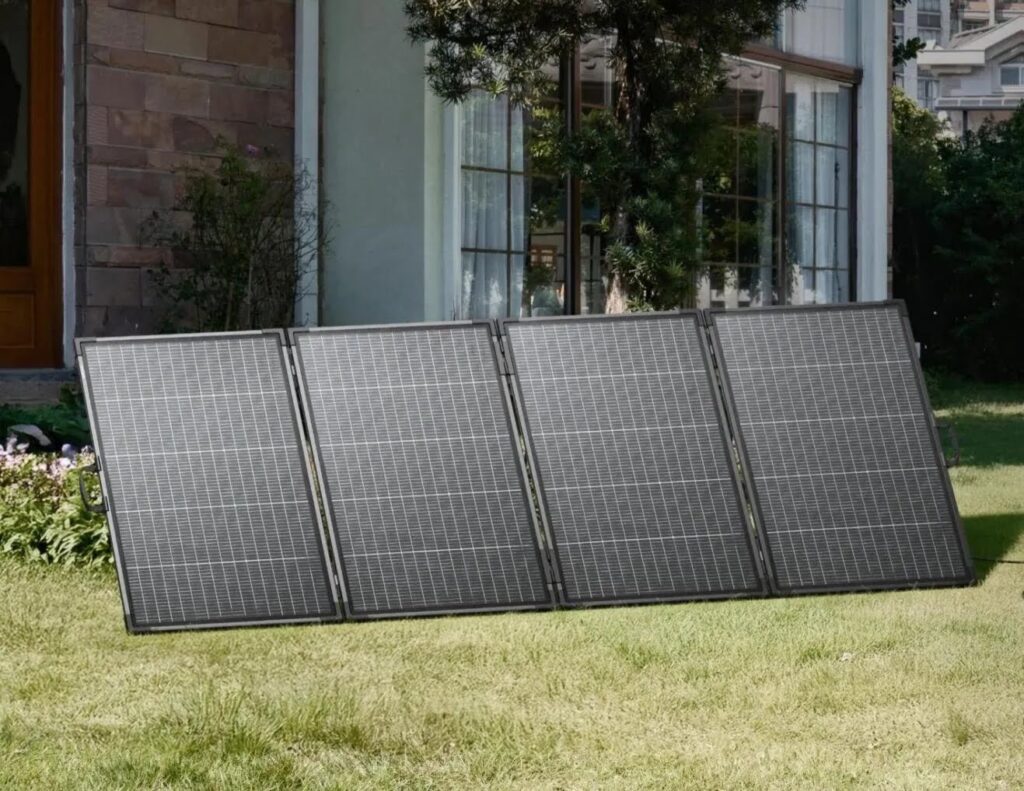
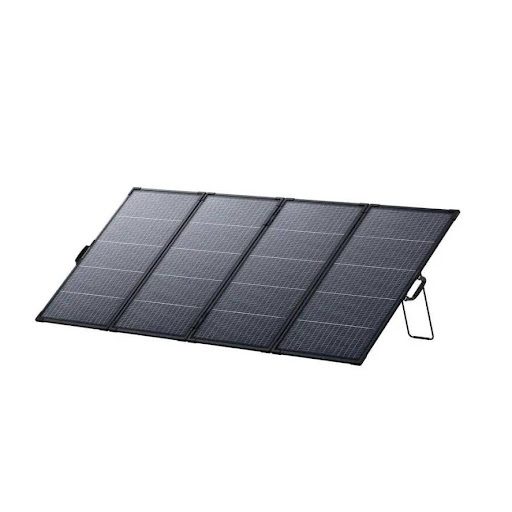
Size and form factor matter because they affect where and how a solar panel can be used. A rigid panel often suits permanent installation on roofs, sheds, or fixed frames, while a foldable or lightweight design works better for camping, RV trips, and temporary backup setups. Beginners should measure available space before buying and consider panel weight, storage convenience, and ease of transport. Installation flexibility also matters. Some panels are designed for fixed mounting, while others include kickstands, handles, or simple connectors for quick setup. If your needs may change, a portable option can offer more versatility. Choosing the right format helps ensure the panel fits your routine instead of becoming difficult to use regularly.
Choosing the Right Solar Panels for Your Lifestyle
Solar Panels for Home, Outdoor, and Backup Power Needs
The right solar panel depends on how you plan to use it day to day. For home use, beginners often need a larger system that can support regular household loads or reduce grid electricity use over time. For outdoor activities, portability becomes more important than maximum output, especially when charging phones, lights, power stations, or small appliances. For backup power, the key is dependable energy storage and enough panel capacity to recharge batteries during outages. A panel that works well for a campsite may be far too small for home backup. Thinking in terms of actual use cases helps narrow the options quickly. The best choice is the one that supports your routine reliably and simply.
Understanding Your Energy Goals Before Buying
Before buying solar panels, beginners should define exactly what they want solar power to accomplish. If the goal is charging small electronics, a compact panel may be enough. If the goal is running appliances, supporting work equipment, or maintaining backup power, you need much more capacity and likely a battery and inverter. Start by listing the devices you want to power, their wattage, and how many hours they will run each day. That simple calculation provides a practical energy target. It also helps prevent two common mistakes: buying a panel that is too small to be useful or paying for a larger system than necessary. Clear energy goals make solar shopping faster, smarter, and far less confusing.
Conclusion
Beginners should know that solar panels are most useful when chosen with a clear understanding of how they work, what system components are required, and how much energy is actually needed. The best starting point is not the highest wattage or the lowest price, but the right balance of output, efficiency, size, and usability for your lifestyle. Home setups, outdoor charging, and backup power each call for different priorities. By checking real performance, installation needs, and daily energy goals, you can make a confident decision and avoid common first-time mistakes. Solar power does not need to feel complicated. Once the basics are clear, it becomes much easier to select a practical setup that delivers dependable value and long-term convenience.