Ignition interlock installation is commonly routine work that a shop does on a daily basis. However, it is the appointment and the work done in that appointment that will generate most of the violations that result in problems for the monitoring authority within weeks. We explain below the typical items a technician would check during the appointment and what will result in the first monitoring period running cleanly.
Pre-installation checks that determine whether the job proceeds
Before the vehicle can be installed with an ignition interlock, the required documentation must also match the terms of service contained within the court or licensing authority’s order. This documentation will include details of the class of device required, the duration between monitored breath samples and whether or not the interlock is required to capture photographs of the client’s face (for identity verification) and relay information to the monitoring center via GPS tracking.
Please note whether the vehicle is a hybrid, start/stop, push button start or has a remote start fitted as this affects the wiring. Also it is always best to check the vehicle’s battery as the device does draw power at all times and can cause problems with marginal batteries causing intermittent no start situations which can be catastrophic and result in the interlock being blamed.
Documentation captured at intake
- Photographic record of the odometer, VIN plate, and existing body damage
- Proof of ownership or a signed authorization from the registered owner
- Confirmation of the reporting schedule and the monitoring authority’s identifier
- Client contact details for service reminders and violation notifications
Wiring, placement, and the physical work
Soldered connections to constant power, switched ignition power, ground and the starter circuit complete the installation. To allow the interlock to prevent start-up of the vehicle’s engine after a failed test the technician connects to the vehicle’s starter circuit. This type of connection requires soldered joints and heat shrink tubing to protect the wires from damage caused by vibration. Splice connections, such as used with wire-end connectors, can loosen over time and cause a no-start event that is difficult to diagnose.
Interlock control modules are generally installed behind the dash or under the steering column of a vehicle. Interlock housings are often fitted with tamper-evident seals around the housing, and additional seals are placed over any wiring harness connections. The presence or absence of these seals can be easily determined during a subsequent service of the interlock.
Where the handset goes
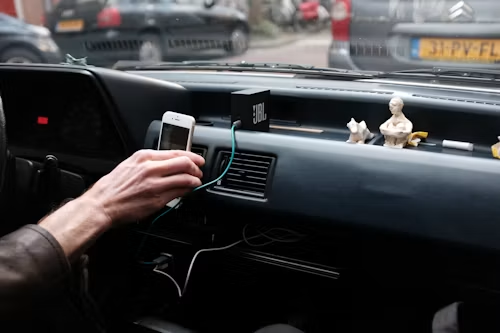
Safety first when it comes to choosing a location for installing the handheld part of the interlock. The aim is to make sure that it is within easy reach from the driver’s seat without requiring them to stretch or take their eyes from the road. To that end, interlocks can be fitted to the center console of a vehicle’s interior, under the lower dash or on a clip at the bottom of the steering column shroud. Furthermore, left-hand drive vehicles and individuals with restricted mobility on one side are best suited to mounts positioned to the left or right of center respectively.
Cable routing should mirror the manufacturer’s installed wiring looms where possible and be secured to prevent damage, in particular stop it from ‘drooping’ into the footwell and getting pounded by the pedals.
Calibration and functional testing before handover
All breath tests are set to a certified reference gas of a known concentration to ensure that the device has been previously calibrated to test at the required set point. We check that the set point ordered by the court / licensing authority matches the set point of the device. We also check the expiry date of the last calibration to ensure it is within the maintenance interval of the client.
Check, Interlock functions through complete sequence of operation for Clean, Simulated Failed, Start Vehicle After Failed, Shut Down Running Engine, Data Log functions including Time Stamping and report that Camera (if installed) will take adequate low light photograph(s) to verify Identity of Driver.
| Stage | Typical duration | What can delay it |
| Intake and order verification | 15 to 20 minutes | Missing owner authorization or unclear order terms |
| Wiring and mounting | 60 to 120 minutes | Push-button start, aftermarket alarms, hybrid systems |
| Calibration check and function test | 20 to 30 minutes | Weak battery, failed sensor, camera alignment |
| Client training and sign-off | 30 to 45 minutes | Language support needs, client unfamiliar with retests |
Training the client so the first month runs clean
The biggest reason for violations with the Breath Alcohol Ignition Interlock Device is usually misuse (not a DUI) and the user needs to practice the correct breathing pattern into the tube for a passing test result (i.e. Blow-hum type results are considered refusals). Also, users need to know how to handle a rolling retest while driving, how long they have to pull over to retake the test, and why certain things like mouthwash, energy drinks, etc. Could result in a violative test result.
Drivers in Southern California are best served by booking breathalyzer device installation in Los Angeles with an approved supplier, since a professional shop documents the fitting properly and that record becomes your evidence if a violation is ever disputed.
Ongoing service obligations
- Attend calibration and data download appointments on schedule, usually every 30 to 60 days
- Report any dashboard warning, lockout, or handset fault immediately rather than at the next visit
- Keep the vehicle registered to the same driver, or notify the monitoring authority before any transfer
- Retain all service receipts until the removal certificate is issued
It is also important to inform the client that failing to attend a scheduled maintenance visit will result in the device being locked out permanently. This can leave the client stranded and will require a tow to a repair shop or a mobile service visit to reactivate the interlock. In our experience this piece of information alone saves more potential problems at the appointment handover than any other 5 minutes of discussion.