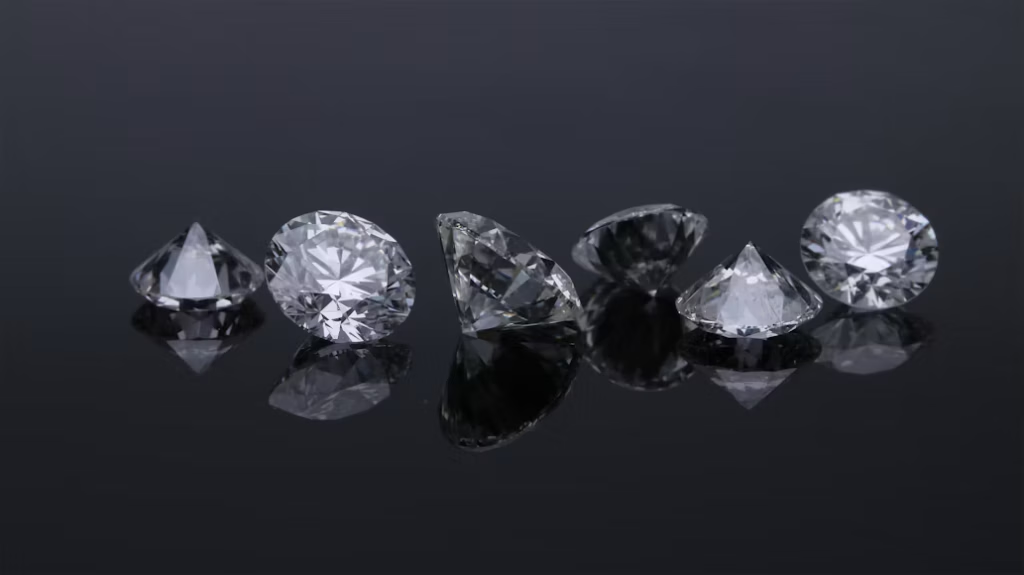
Arizona has quietly become one of the most active markets in the country for buying and selling high-value diamonds and fine jewelry. The concentration of wealth, the favorable financial environment, and the presence of knowledgeable buyers make the state a genuinely compelling place to transact, whether someone is liquidating an estate, upgrading a collection, or simply ready to move on from a piece they no longer wear.
The Wealth Concentration Driving Demand
The demand side of Arizona’s luxury jewelry market is not hard to explain. Scottsdale, in particular, has attracted an extraordinary number of high-net-worth residents over the past decade. Scottsdale’s percentage of millionaire residents grew by 125% between 2014 and 2024, a rate that outpaced virtually every other American city. As of 2024, the Scottsdale area was home to 14,800 millionaires, 64 centimillionaires, and five billionaires, making it one of the wealthiest small cities in the country.
That demographic density matters for jewelry. Affluent buyers are not just present in large numbers. They are actively spending on fine goods. Diamonds, signed pieces, and estate jewelry all find ready audiences here, which means sellers can expect genuine competition among buyers rather than a take-it-or-leave-it offer from a single shop.
Why Scottsdale Specifically
Scottsdale’s wealth is not inherited or static. Pro-business policies and low taxes have drawn entrepreneurs, particularly those relocating from higher-tax states like California, alongside tech executives who have planted roots in the area. These are people who understand asset value, move quickly, and are comfortable transacting at a high level. That mindset extends naturally to fine jewelry and diamonds.
The Estate and Long-Term Resident Factor
Arizona also has a large population of long-term residents and seasonal homeowners who have built up significant collections over decades. As they simplify their lives or settle estates, those pieces re-enter the market, creating a consistent inventory of high-quality items with real provenance, from mid-century platinum settings to signed vintage pieces from major American jewelry houses. This steady supply keeps the resale ecosystem active and well-stocked on both ends of the transaction.
What Makes Arizona Financially Attractive for Sellers
Beyond the buyer pool, Arizona’s tax structure creates a measurably better environment for sellers of high-value goods compared to many other states. As of January 1, 2026, Arizona’s 25% long-term capital gains subtraction now applies to all assets, which means every Arizona resident holding long-term appreciated assets qualifies for the state’s reduced effective capital gains rate of just 1.875%. For someone selling a diamond worth tens of thousands of dollars, that difference compared to states with rates approaching double digits is real money.
The flat, low state income tax rate also simplifies planning. Sellers do not face the layered, graduated structures that complicate transactions in states like California or New York. The math is straightforward, and that clarity tends to push people to act rather than delay.
What Buyers in This Market Actually Want
Selling successfully in Arizona means understanding what local buyers prioritize. Certification is the single biggest lever. A GIA-graded stone removes ambiguity and lets a professional buyer make a confident offer faster. Uncertified stones, even visually impressive ones, require more back-and-forth and typically result in lower offers.
Shape and cut quality also matter more than many sellers expect. Round brilliant cuts remain the most liquid shape in the resale market, and ideal-cut stones move faster than comparable stones with mediocre proportions. Fancy shapes like ovals and cushions have strong followings among certain buyers, but the audience is narrower.
Natural vs. Lab-Grown Diamonds
The distinction between natural and lab-grown stones is a conversation every seller needs to have before approaching a buyer. Natural diamonds currently retain between 20% and 60% of their original retail price, while lab-grown diamonds often return only 10% to 30% on resale.
That gap reflects a broader market reality: natural diamonds hold scarcity value in a way that manufactured stones do not. Sellers holding lab-grown pieces should calibrate expectations accordingly, rather than anchoring to the original purchase price.
Condition, Provenance, and Presentation
Condition affects value in ways that are easy to underestimate. Worn prongs, chipped stones, or settings showing heavy use all reduce what a buyer will pay. Getting a piece professionally cleaned and inspected before bringing it to market is a small investment that often returns more than it costs. Original paperwork, receipts, and prior appraisals add context that supports a higher offer, even when they are not strictly required.
Where to Find the Right Buyer
Not every buyer in Arizona operates at the same level. Pawnshops, general antique dealers, and online listing platforms all exist, but they serve different purposes. For high-value diamonds and fine jewelry, a specialist with direct industry knowledge will consistently outperform a generalist. Specialists can assess quality accurately, understand current market pricing, and make competitive offers without factoring in the uncertainty that a generalist would.
Scottsdale has developed a genuine concentration of this kind of expertise. Buyers operating in the area are accustomed to handling significant pieces and have the resources to pay accordingly. For sellers who want to sell diamonds and get an offer that reflects actual market value, working with a buyer who specializes in diamonds rather than one who handles them occasionally makes a measurable difference in the final number.
The broader market context supports this approach. The U.S. secondhand luxury goods market reached $8.7 billion in 2025 and is projected to grow to $16.2 billion by 2034, at a CAGR of 7.16%. Demand for pre-owned fine jewelry and diamonds is not a niche interest. It is an expanding segment with professional buyers actively competing for quality inventory.
Getting the Timing Right
There is no universally perfect moment to sell a diamond, but a few conditions tend to produce better outcomes. Sellers who approach buyers with documentation in hand, a realistic sense of current market pricing, and a willingness to engage with more than one offer tend to do better than those who take the first number they hear. The Arizona market rewards preparation.
Conclusion
Arizona’s combination of concentrated wealth, a favorable tax environment, and a mature network of specialist buyers makes it one of the more practical places in the country to sell high-value jewelry and diamonds. The infrastructure is here, the buyers are here, and the conditions favor sellers who come to the table informed. For anyone holding a significant piece and considering their options, the state is worth taking seriously.