Arizona has quietly built one of the most dynamic fine jewelry markets in the country. The reasons go deeper than warm weather and a wealthy zip code or two. A specific convergence of demographics, cultural heritage, local craftsmanship, and a thriving resale ecosystem has turned the state, and Scottsdale in particular, into a place where serious buyers and sellers operate at a level that rivals coastal luxury hubs.
The Wealth Concentration That Drives the Market
No conversation about Arizona’s jewelry scene makes sense without acknowledging who actually lives here. Scottsdale’s millionaire population grew by 125% between 2014 and 2024, making it America’s fastest-growing wealth hub. That kind of concentrated affluence does not just raise real estate prices. It shapes the entire character of local retail, including what jewelers stock, what buyers expect, and what the market will bear.
In 2024, the median household income in Scottsdale was $110,886, and the city’s median age of 48.7 sits more than 10 years above the U.S. median. Older, wealthier buyers tend to gravitate toward natural stones, certified provenance, and estate-quality pieces. That combination of purchasing power and discernment creates a market where quality is not just appreciated. It is expected.
A Buyer Profile Unlike Most Cities
When you step into Scottsdale’s jewelry market, you are entering a space known for luxury, high-end customization, and diverse diamond selections. It is a hub for buyers who want to feel educated, respected, and involved in the process. Showrooms here are not built around impulse purchases. They are built around relationships, certifications, and pieces that hold meaning well beyond their price tag.
The Scottsdale Retail Landscape
Scottsdale has established itself as a jewelry hub in the Southwest, drawing both locals and visitors with discerning taste. The city is known for its wealth of upscale boutiques, fine art galleries, and high-end shopping districts, including Old Town Scottsdale and the Scottsdale Waterfront, making it an ideal place to explore luxury jewelry from both established brands and local artisans.
A Cultural Connection to Gemstones and Craftsmanship
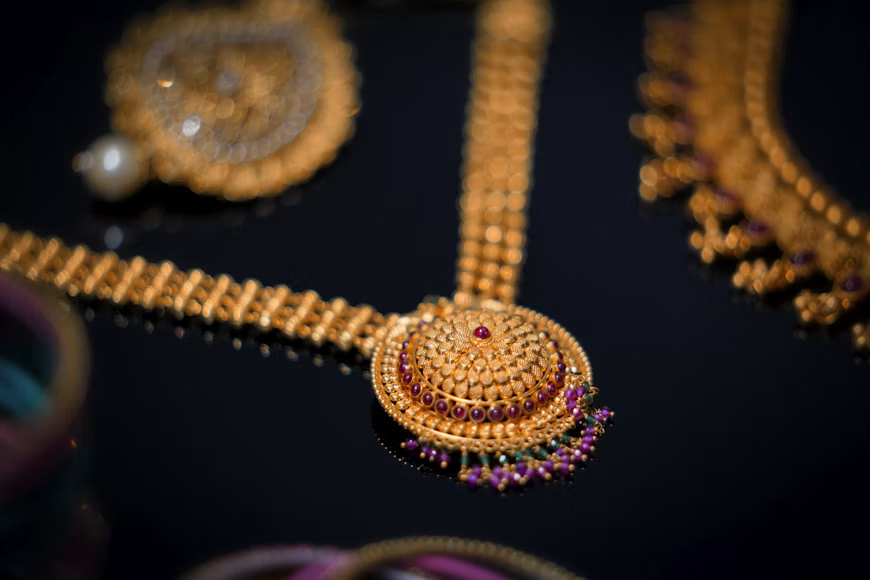
Arizona’s relationship with fine materials is not a recent development. The state combines a long history of gemstone mining, a strong tradition of craftsmanship, and a modern luxury market supported by tourism and population growth. From turquoise pieces rooted in Southwestern culture to high-end diamonds and vintage jewelry, the market reflects both heritage and genuine innovation.
Historic 5th Avenue in Old Town is famous for boutiques offering authentic Native American jewelry made with hand-cut turquoise, coral, and sterling silver. Family-owned mainstays have operated there for over four decades, preserving traditional Hopi, Navajo, and Zuni designs. These are not souvenir pieces. They are investment-grade works with deep cultural provenance, and buyers who understand the market treat them accordingly.
Arizona also ranks sixth among the top gold-producing states, with the state producing 5.3 metric tons of gold, a significant portion of the U.S. total. That legacy gives local jewelers a direct connection to precious materials that most markets simply do not have.
The Estate and Resale Market: Where Inventory Meets Opportunity
Arizona’s high-end jewelry reputation is not limited to retail. The resale side of the market is equally sophisticated, and it is growing. Arizona has one of the largest concentrations of retirees in the country, and that demographic drives estate jewelry supply more reliably than almost any other factor.
Long-term homeowners and seasonal residents accumulate fine pieces over decades, and as they simplify their lives or settle estates, those pieces re-enter circulation. The result is a consistent inventory of high-quality items with real provenance, from mid-century platinum settings to signed vintage pieces from major American jewelry houses.
Estate pieces from names like Cartier, Tiffany, and David Yurman consistently fetch 10 to 30 percent above spot value due to their collectible status. Art Deco and mid-century modern rings and bracelets have surged in popularity among buyers in Phoenix, Scottsdale, and Paradise Valley.
For anyone holding a quality piece, the local buyer network reflects this sophistication. Many Scottsdale jewelers are leaders in the estate market, offering instant payment for gold, silver, coins, and luxury watches. Because these local experts often have large sales networks, they can frequently offer prices that national chains cannot match. Knowing where to sell jewelry in this market matters, because the right buyer understands what a piece is actually worth, not just its melt value.
Population Growth Keeps the Pipeline Active
The supply and demand equation in Arizona’s jewelry market stays healthy partly because the state keeps growing. Arizona remained one of the fastest-growing states in the nation, ranking seventh in numeric growth, with a population of 7,623,818 as of July 1, 2025.
Arizona added 97,044 residents between July 1, 2024, and July 1, 2025. That translates directly into more households, more life events, and more jewelry changing hands. Engagements, divorces, estate settlements, and downsizing all feed the resale pipeline. A state adding nearly 100,000 people per year generates a steady supply of each.
An aging population adds another layer. Over 19 percent of Arizona’s residents are aged 65 and older, and that proportion will grow in the coming decade. Estate settlements, downsizing, and inheritance events are happening with increasing frequency across the state. Each of those events tends to surface jewelry held for decades, often pieces with genuine collector value that families are not equipped to evaluate on their own.
What Sells Well and Why It Matters
Not every piece performs the same way in the Arizona market. Buyers here are informed, and that specificity shapes what moves quickly and what sits. A few categories consistently attract strong interest:
- Signed designer pieces from houses like Cartier, Tiffany, and David Yurman, which carry brand premium even in the secondary market
- Natural diamond rings and bridal sets, particularly those with GIA certification and documented provenance
- Vintage turquoise and silver work, especially pieces with Southwestern or Native American attribution that carry regional collector appeal
- Gold jewelry of any karat, which benefits directly from elevated precious metal prices that have kept gold values strong
Sellers dealing in certified diamonds, designer pieces, or heirloom-quality items find buyers who understand what they are being offered and can recognize value when they see it. That is not something you can count on everywhere.
Conclusion
The fundamentals supporting Arizona’s jewelry reputation are not going away. Wealth migration continues, the population keeps growing, and the cultural appreciation for fine materials, both indigenous and imported, runs deep. In cities like Phoenix and Scottsdale, customers can examine pieces closely and consult experienced professionals before making decisions.
That combination of luxury retail and knowledgeable expertise has helped the area grow into one of the Southwest’s key jewelry hubs. For buyers, sellers, and collectors alike, Arizona offers a market that rewards knowing what you have and knowing who to trust.