
When investors look at an automotive supplier or a boat builder, they usually focus on the obvious numbers: unit sales, raw material prices, labor costs and order backlogs. Much less attention goes to a line item that can quietly shape profitability for years. That line item is how long components last once they leave the factory.
A seized bearing, a corroded fastener or a sticking throttle shaft rarely makes headlines. But each one can trigger a warranty claim, a service visit or, in serious cases, a recall. Across thousands of vehicles or vessels, those small failures add up to real money. Functional coatings, the thin engineered layers applied to metal and other parts, are one of the most practical ways manufacturers reduce that risk.
The Real Cost Of Component Failure
The cost of a failed part goes far beyond the price of the part itself. A replacement component that costs a few dollars to make can lead to hundreds of dollars in labor, diagnostics, logistics and administration once it fails in the field. For marine equipment, the cost can be even higher, because boats often sit in remote marinas and need specialist technicians.
There are indirect costs too. Repeated failures damage a brand’s reputation with buyers and dealers. Warranty reserves tie up cash that could otherwise fund growth. Recalls can draw regulatory attention and dent a company’s share price. For suppliers, a reputation for unreliable parts can cost them future contracts with larger manufacturers.
That’s why durability is increasingly treated as a financial issue, not just an engineering one.
Harsh Environments Wear Parts Down
Automotive and marine components work in some of the toughest conditions in manufacturing. Engine parts face high heat and constant friction. Underbody components deal with road salt, water and grit. Marine parts face saltwater, humidity and long periods of sitting idle followed by sudden heavy use.
These conditions attack components in a few predictable ways:
Friction and wear, which gradually erode moving surfaces.
Corrosion, which weakens metal and causes parts to seize.
Heat, which can degrade lubricants and materials.
Chemical exposure, from fuels, oils, coolants and cleaning agents.
Galling and sticking, when metal surfaces bind under pressure.
A coating designed for the right conditions can slow or prevent each of these problems.
What Functional Coatings Do
Functional coatings are chosen for performance rather than appearance. Depending on the formulation, a coating can lower friction, resist corrosion, repel chemicals, insulate against electricity or protect against wear.
Common materials include fluoropolymers such as PTFE, which are known for low friction and chemical resistance. Dry film lubricants reduce wear on moving parts without the mess or breakdown of liquid lubricants. Nylon coatings add toughness and impact resistance. Conformable coatings can be applied to parts with complex shapes and help fill small gaps to improve sealing and performance.
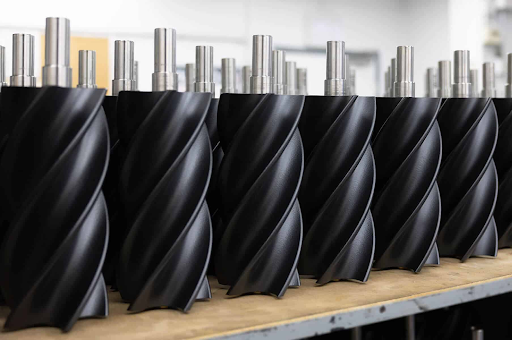
The list of parts that benefit is long. In vehicles, coatings appear on supercharger rotors, transmission cases, pistons, bearings and retainers, throttle shafts, solenoid plungers and springs. They also protect clamps, fasteners and connectors, filter housings and filtration media, seals and gaskets, seatbelt system components and water pump seal housings. In marine equipment, many of the same parts face even harsher corrosion risks. Racing teams use coatings too, since components there face extreme loads for long stretches.
Precision Matters As Much As Material
Choosing the right coating is only half the job. How it is applied matters just as much. Many automotive and marine parts are built to tight tolerances. A coating that goes on too thick can interfere with fit and function, while one that is too thin or uneven may wear through early.
That is why consistency has become a major focus. Automated and robotic application systems can apply coatings with precise, repeatable thickness across large production runs. For a manufacturer, that consistency means fewer rejected parts, fewer surprises in the field and more predictable performance from one batch to the next.
Quality systems also play a role. Suppliers that follow strict industry specifications and documented processes make it easier for manufacturers to trust that every part meets the same standard.
The Financial Case For Better Coatings
From a business perspective, coatings are an investment with a measurable return. Adding a coating raises the cost of a component slightly. In exchange, it can reduce:
Warranty claims and repair costs.
Downtime for fleets and commercial vessels.
Maintenance frequency for owners.
Scrap and rework during production.
Exposure to costly recalls.
For commercial fleet operators, the benefit is especially clear. A delivery van or work boat that sits idle earns nothing. Components that last longer between service intervals keep assets working and revenue flowing.
Longer-lasting parts can also support stronger warranties and better resale values. These can become selling points in competitive markets.
Choosing A Coating Partner
Few manufacturers apply every coating in-house. Most work with specialist applicators, and choosing the right one deserves the same diligence as any other supplier decision. Useful questions include:
What range of coatings can they apply?
Can they hold the tolerances your parts require?
Do they follow recognized quality standards?
Can they handle both prototypes and production volumes?
Do they offer engineering guidance on coating selection?
How do they verify consistency across batches?
Comparing several providers helps manufacturers find the right balance of capability, cost and reliability. Options such Orion automotive and marine coatings show the kind of specialist service worth evaluating, particularly for companies with a wide mix of components and operating conditions.
What Investors And Managers Should Watch
For anyone assessing a manufacturer’s health, durability trends offer useful clues. Rising warranty expenses, frequent service bulletins or repeated recalls can point to component problems that coatings and better materials might address. On the other hand, companies that invest in surface engineering often show steadier warranty costs and stronger customer loyalty over time.
Managers can track similar indicators internally. Measuring field failure rates by component type, linking them to warranty spending and testing coated alternatives on the worst offenders can reveal where small changes would deliver the biggest savings.
Thin Layers, Lasting Returns
A coating may be just a fraction of a millimeter thick, but its effect on a company’s finances can be substantial. In industries where parts face heat, friction, salt and chemicals every day, the right surface protection keeps components working longer and keeps costs under control. For automotive and marine manufacturers looking to protect margins, the smartest investment may be one most customers will never even see.