
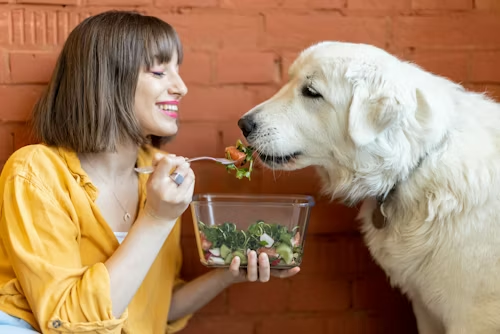
Most dog owners reach for a treat bag dozens of times a week without giving the label much thought. That’s understandable — treats feel like a small, harmless reward. But according to the Association for Pet Obesity Prevention (APOP), 82% of dogs receive treats at least once daily, and treats are now consistently identified as a contributing factor to rising pet obesity rates. With 59% of U.S. dogs classified as overweight or obese in APOP’s 2022 prevalence survey, the choice of treat matters more than most owners realize.
Picking the healthy dog treats isn`t complicated — but it does require knowing what to look for and what to avoid.
What Makes a Dog Treat Actually Healthy
Ingredients: The Short List Wins
A treat with a five-ingredient list is almost always better than one with twenty. The first ingredient should be a named protein — chicken, salmon, beef, turkey — not a vague term like “meat by-products” or “animal digest.” Proteins listed by name indicate a specific, traceable source, which reflects better manufacturing standards.
Beyond protein, watch for these red flags on the ingredient panel:
- Artificial preservatives — BHA, BHT, and ethoxyquin are chemical preservatives associated with long-term health concerns in animals; look for natural alternatives like mixed tocopherols or rosemary extract
- Artificial colors — Red 40, Yellow 5, and similar dyes add nothing nutritional; they exist purely for visual appeal to the human buyer
- Corn syrup or added sugars — Some commercial treats include sweeteners to increase palatability; dogs don’t need sugar, and it contributes directly to weight gain and dental problems
- Excessive fillers — Ingredients like corn, wheat, and soy listed early in the panel suggest the treat is mostly bulk with minimal nutritional value
Caloric Density: The 10% Rule
One of the most practical guidelines from veterinary nutrition is the 10% rule: treats should account for no more than 10% of a dog’s total daily caloric intake. A medium-sized dog eating 1,000 calories per day has a treat budget of roughly 100 calories — that’s surprisingly easy to exceed with larger commercial biscuits, many of which clock in at 50–80 calories each.
Single-ingredient treats — dried meat strips, fish skins, freeze-dried liver — tend to be more calorie-efficient per serving than multi-ingredient biscuits. They also tend to have cleaner ingredient profiles by definition.
Matching Treats to Your Dog’s Specific Needs
Treats for Training vs. Everyday Rewards
Training treats and everyday rewards serve different purposes, and the best choice varies accordingly.
For training, the ideal treat is:
- Small (pea-sized or smaller) to avoid filling the dog up mid-session
- Soft enough to be eaten quickly, so attention returns to the handler
- High in smell or flavor to maintain motivation — freeze-dried meats work well here
For everyday rewards, a slightly larger, longer-lasting treat is fine. Dental chews, for example, serve double duty as a reward and an oral hygiene tool — a meaningful benefit given that periodontal disease affects the majority of dogs over age three.
Age and Health Considerations
A puppy’s digestive system handles some ingredients differently from an adult dog’s. Puppies benefit from treats with easily digestible proteins and no artificial additives, since their gut flora is still developing. Senior dogs often do better with softer textures to accommodate dental wear, and lower-fat options become more relevant as metabolism slows with age.
Dogs with specific health conditions require additional attention:
| Condition | What to Avoid | Better Options |
| Obesity/weight management | High-calorie biscuits, treats with added sugar | Air-dried meat strips, carrot pieces, green beans |
| Food allergies | Treats with common allergens (chicken, wheat, beef) | Limited-ingredient, single-protein options (salmon, duck, venison) |
| Kidney disease | High-phosphorus treats, organ meats | Low-protein, vet-recommended options |
| Dental disease | Hard or very chewy treats that stress the jaw | Enzymatic dental chews, soft treats |
| Diabetes | Treats with corn syrup, refined starches | High-protein, low-carb options |
When a dog has a diagnosed condition, a brief conversation with the veterinarian about treatment choices is always worth the two minutes it takes.
Size-Appropriate Portioning
Treat packaging often lists one-size serving suggestions that don’t account for the dog’s actual size. A treat marketed for all breeds carries a very different caloric impact on a 12-pound Beagle versus a 75-pound Labrador. Adjusting portions — or choosing treats sized for the dog’s weight class — is a simple way to keep caloric intake in check without eliminating treats altogether.
Reading Treat Labels Without Getting Lost
Guaranteed Analysis: What It Actually Tells You
Every commercial dog treat label includes a guaranteed analysis panel showing minimum crude protein, minimum crude fat, maximum crude fiber, and maximum moisture. A few practical takeaways:
- Higher protein, lower fat is generally the better ratio for weight-conscious dogs
- High moisture content (above 60–70%) means you’re largely paying for water weight — useful in some contexts, but worth knowing
- Crude fiber content above 3–5% may indicate significant grain or cellulose filler
AAFCO Statement: Complete vs. Supplemental
Some treats carry an AAFCO nutritional adequacy statement; most do not, because treats are considered supplemental rather than complete nutrition. This is fine — treats aren’t meant to replace meals. The absence of an AAFCO statement on a treat is not a concern by itself.
What does matter is that a treat meets basic safety standards. In the U.S., the FDA and AAFCO regulate pet food and treats, and products sold through established pet retailers are required to comply with ingredient and labeling standards.
Ingredients Worth Seeking Out — and a Few to Skip
Functional Ingredients That Earn Their Place
Some treat ingredients do more than just taste good. When browsing healthy dog treats, it’s worth looking for options that include:
- Omega-3 fatty acids (from fish, flaxseed, or salmon oil) — support coat health, joint function, and reduce inflammation
- Glucosamine and chondroitin — found in some joint-support chews; relevant for older dogs or breeds prone to hip dysplasia
- Probiotics — some soft treats include live cultures that support digestive health
- Pumpkin or sweet potato — natural sources of fiber that support healthy digestion without adding much fat
Common Ingredients to Avoid
A few ingredients appear frequently in low-quality treats and are worth knowing by name:
- Propylene glycol — used as a humectant in some soft treats; considered safe in small amounts but has no nutritional role
- Carrageenan — a seaweed-derived thickener linked to gastrointestinal inflammation in some animals; watch for it in wet or semi-moist treats
- Xylitol — an artificial sweetener that is acutely toxic to dogs even in small amounts; primarily a risk in human food shared with dogs, but worth checking on any treat with “natural sweeteners” listed vaguely
Natural and Homemade Treat Alternatives
Some of the best treats for dogs come straight from the kitchen. Several whole foods are safe, low-calorie, and easy to prepare:
- Carrots — crunchy, low-calorie, and good for teeth; most dogs take to them readily
- Blueberries — high in antioxidants, bite-sized, and naturally sweet
- Plain cooked chicken or turkey — high-value training treats with no additives
- Cucumber slices — almost zero calories, hydrating, and surprisingly popular with many dogs
- Plain pumpkin (not pie filling) — beneficial for digestion and easy to portion
That said, several human foods are genuinely dangerous for dogs — grapes, raisins, onions, macadamia nuts, and anything containing xylitol should never be offered, regardless of how much the dog wants them.
Making Treats Work for Your Dog, Not Against Them
Treats are one of the most consistent ways owners build trust and reinforce good behavior with their dogs. Used thoughtfully, they support training, strengthen the bond, and can even contribute to health through functional ingredients. The goal isn’t to eliminate them — it’s to choose ones that earn their calorie budget.
Spending a few minutes reading an ingredient label before buying can mean the difference between a treat that genuinely supports a dog’s health and one that quietly chips away at it over years of daily use. Start with protein as the first ingredient, respect the 10% calorie rule, and match the treat to the dog’s size and health needs — those three habits cover most of what matters.