The phrase “salon software” hides an enormous range of businesses. A barbershop lives on speed and walk-ins. A spa sells calm and ninety-minute treatments. A medical spa needs secure records and compliant communication. A makeup artist may never work in the same place two days running. Anyone offering a branded management platform to “the beauty industry” will fail if they pitch all of them the same way.
This article is for partners who have put their brand on a management platform and want to sell it well across verticals. It walks through the main business types, what each actually needs from software, and how to position the same platform differently for each. The feature references are to TimeTailor, which publishes dedicated setups for each of these business types and is available to partners under a brand-free white label programme.
Why one pitch does not fit all
Owners judge software by whether it understands their day. Tell a barber about “wellness packages” and you have lost him. Tell a spa director that the system “handles walk-in volume” and she wonders why you are there. The platform underneath can be identical; the conversation cannot. The partner’s job, as the person who brings salons on and trains their staff, is to translate.
Hair salons: rebooking and no-shows
The classic hair salon’s two financial problems are the empty chair from a no-show and the client who drifts away between visits. Lead with deposits and prepayment to protect the column, automated reminders by SMS, email or WhatsApp, and rebooking reminders that bring clients back on schedule. Show how clients can choose their preferred stylist at booking, which builds loyalty to the salon rather than to an app, and how add-ons such as deep conditioning, scalp massage or highlights are suggested during booking to lift the average ticket.
Barbershops: speed and reliability
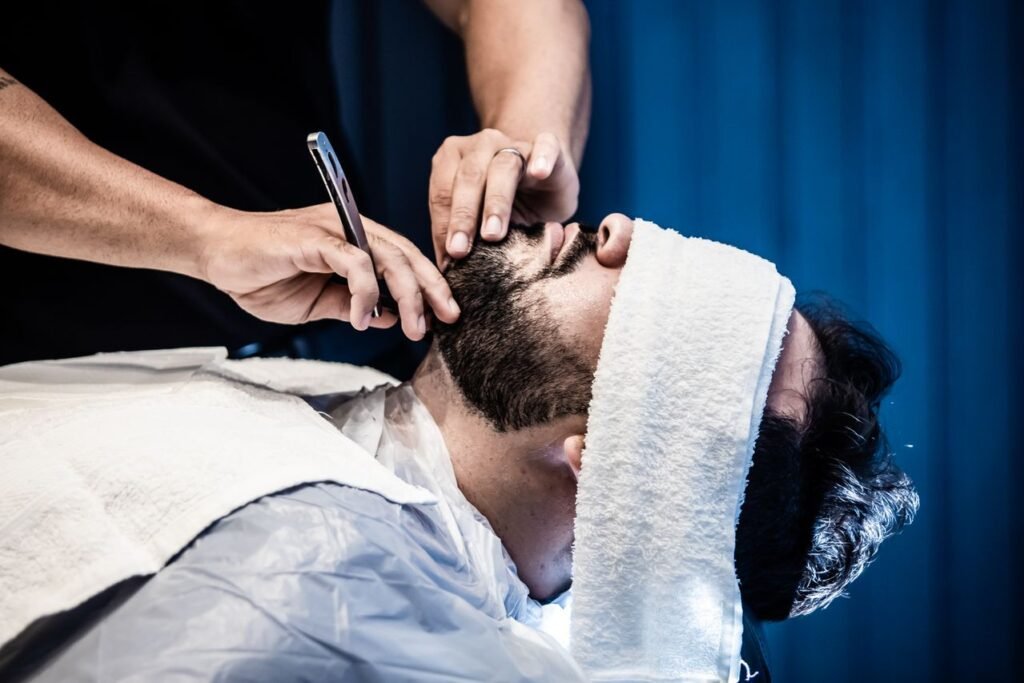
A barber wants software that “works as hard as you” and runs like clockwork. Keep the pitch short, like their appointments. Fast online booking with a link in the Instagram bio, add-ons like a beard trim or hot towel, a point of sale on the phone that takes cards, Apple Pay and Google Pay with no extra hardware, and daily payouts. Barbers are often the easiest sale for a partner because the value is immediate and the setup is small.
Nail salons: volume and turnover
Nail salons handle a high volume of walk-ins and returning clients with quick turnover across manicures, pedicures, gels and nail art. The features that matter are unlimited team members at no extra cost, so adding technicians does not raise the bill, individual schedules that every technician can see, and a booking flow that turns Instagram likes into appointments. Deposits matter here too, but the conversation is really about keeping a busy floor organised.
Spas: the experience in front, order behind
Spa directors sell relaxation and cannot afford chaos behind the scenes. Position the platform as the thing that stays organised so the front of house can stay serene: treatment-length scheduling, wellness packages, add-ons such as aromatherapy or a hot towel, prepayment for longer sessions, and team management with time-off, breaks and permissions handled in the app. KPIs on occupancy and revenue per treatment room are a strong closing argument for a director accountable to an owner.
Medical spas and skincare clinics: compliance and trust
A medical spa sits at the intersection of aesthetics and healthcare. The owner needs fast, compliant booking, secure client records and automated reminders, with add-ons like dermaplaning, LED light therapy or oxygen infusions. Skincare salons and estheticians have a similar profile with facials, peels and targeted treatments. Here the partner should lead with professionalism and security: PCI-DSS compliant, encrypted payments with fraud prevention, access roles that control who sees the client database, and a booking flow that keeps things seamless for a client who expects a clinical standard.
Hair removal studios: precision and aftercare
Waxing, threading and laser studios run on repeat appointments and aftercare. Rebooking reminders carry the business; add-ons such as aftercare products or longer sessions carry the margin. A partner selling white label salon management software into this vertical should show the rebooking engine first and the product upsell second.
Makeup artists: fully booked, on the move
A makeup artist works weddings, events and everyday glam, often on location. The pitch is “stay fully booked without stress”: a booking page that works from a phone, prepayment for event dates, add-ons like lash extensions or skin prep, and a free website with a free domain for an artist who lives on Instagram but has nowhere to send a serious enquiry. Because everything runs from a phone, the platform suits a business with no fixed address.
What stays the same across every vertical
Underneath the tailored pitch, the partner’s process does not change. Migrate the client list with the vendor’s free data migration. Build the menu with guided onboarding. Switch on deposits and reminders. Place the booking link where clients are. Train the team. Review the health-check dashboard monthly. And explain the economics the same way every time: the core platform is free for the business, with a 3.9% fee on online bookings only, which it can absorb or pass to the client. The partner, meanwhile, earns 50% of that fee from the first booking of the first salon, pays nothing to join and sets its own prices.
The partner’s real skill
Technical knowledge is supplied by the vendor, along with sales material, training and a dedicated consultant. What the vendor cannot supply is the partner’s understanding of a barber’s Saturday or a spa director’s Monday. That understanding is what turns one platform into six convincing offers, and it is why partners who know the industry outperform partners who know the software.
READ ALSO: Embroidery Digitizing and the Growth of Micro Fashion Brands