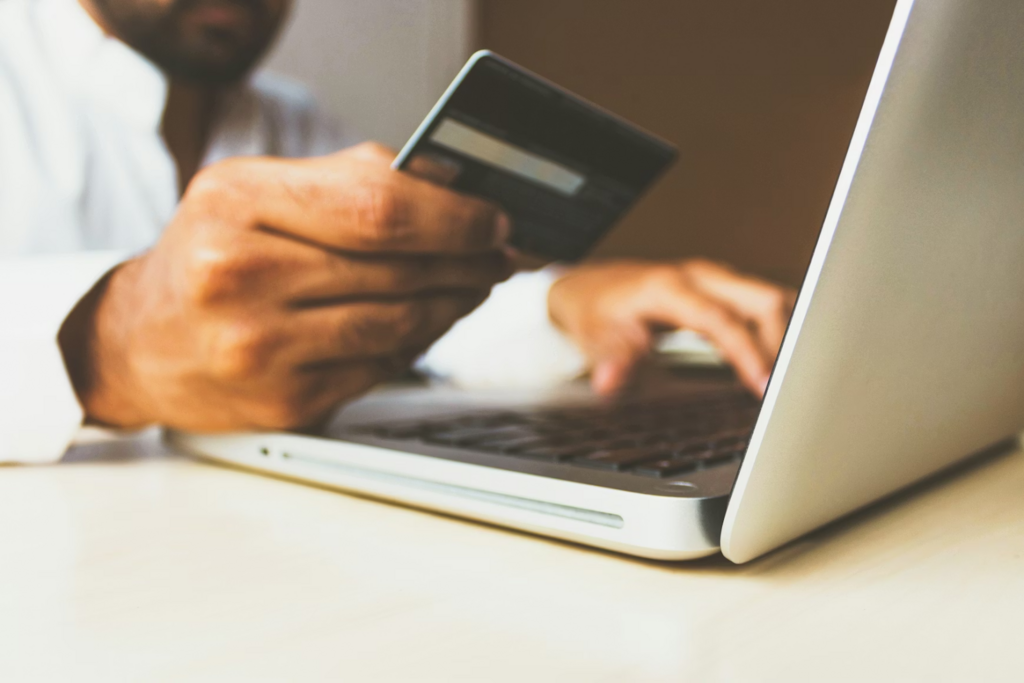
Modern retail demands frictionless payment experiences across every customer touchpoint. Credit card terminals have evolved from simple transaction processors into sophisticated hubs that unify in-store, online, and mobile commerce. As consumer expectations shift toward seamless shopping journeys—browsing online, purchasing in-store, or vice versa—the payment infrastructure must keep pace.
The transformation of these devices mirrors broader shifts in financial technology. What began as manual card imprinters in the 1960s has progressed through magnetic stripe readers, chip-enabled systems, and now contactless interfaces that process payments in milliseconds. Each advancement has addressed specific pain points: reducing fraud, accelerating checkout times, and expanding payment method compatibility. Today’s terminals support everything from traditional card swipes to mobile wallets and QR code payments, reflecting the diverse ways consumers prefer to transact.
From Manual Imprinters to Intelligent Payment Hubs
The earliest credit card terminals required merchants to physically imprint card details onto carbon paper—a process prone to errors and fraud. The introduction of electronic terminals in the 1970s marked the first major leap, enabling real-time authorization and reducing manual intervention. Magnetic stripe technology followed, standardizing card data storage and improving transaction speed.
The 1990s brought point-of-sale integration, connecting payment terminals to inventory systems and customer databases. This convergence allowed retailers to track purchasing patterns and manage stock levels more effectively.
EMV chip technology arrived in the early 2000s, dramatically reducing counterfeit fraud by generating unique transaction codes. Unlike static magnetic stripe data, chip cards create dynamic authentication that cannot be reused if intercepted. The shift to EMV represented a fundamental security upgrade, though it required merchants to replace millions of terminals—a costly but necessary transition.
Current-generation terminals function as miniature computers, running applications beyond payment processing. They can display loyalty program information, collect customer signatures digitally, send email receipts, and integrate with accounting software.
Bridging Physical and Digital Commerce
Omnichannel retail depends on payment systems that recognize customers regardless of where they initiate or complete a purchase. A shopper might research products on a mobile app, add items to a cart, then complete the transaction at a physical register—or reverse that sequence entirely. Credit card terminals that sync with cloud-based commerce platforms enable this fluidity.
Modern terminals support several critical omnichannel functions:
- Unified inventory visibility: Real-time stock updates across all channels prevent overselling and enable buy-online-pickup-in-store options
- Consistent pricing: Synchronized product catalogs ensure customers see identical prices whether shopping online or in person
- Cross-channel returns: Customers can return online purchases at physical locations when terminals access order history from any source
- Saved payment methods: Tokenized card data allows customers to use stored payment information across channels securely
- Loyalty integration: Points and rewards accumulate regardless of purchase channel, tracked through the payment system
The technical architecture supporting these capabilities relies on API connections between terminals and commerce platforms. When a customer taps their phone to pay, the terminal communicates with the retailer’s backend systems, the card network, and the issuing bank—all within two to three seconds. This orchestration happens invisibly to the user, who experiences only the confirmation beep.
Security Architecture in Payment Processing
Payment terminals handle some of the most sensitive data in commerce, making security architecture paramount. Modern devices employ multiple defensive layers to protect cardholder information from the moment a card is presented through final settlement.
Encryption begins at the point of card reading. The terminal encrypts data before it enters the merchant’s network, ensuring that even if systems are compromised, intercepted information remains unreadable. Tokenization adds another layer by replacing actual card numbers with randomly generated tokens. These tokens are useless outside the specific transaction context, rendering stolen data worthless to fraudsters.
The Payment Card Industry Data Security Standard establishes baseline requirements for any organization handling card data. Compliance mandates include network segmentation, regular security testing, access controls, and encryption protocols. Terminals must undergo rigorous certification before deployment, with ongoing monitoring to detect tampering or unauthorized modifications.
Emerging threats require continuous adaptation. As criminals develop more sophisticated skimming devices and malware, terminal manufacturers respond with tamper-evident casings, secure boot processes, and remote monitoring capabilities. The arms race between security professionals and fraudsters drives constant innovation in payment hardware design.
Evaluating Terminal Options for Your Business
Selecting appropriate payment hardware requires balancing immediate costs against long-term operational needs. Retailers should assess several dimensions before committing to a terminal ecosystem:
- Transaction volume and speed: High-traffic environments need terminals that process payments in under three seconds to prevent checkout bottlenecks.
- Payment method support: Verify compatibility with contactless cards, mobile wallets, QR codes, and emerging payment types your customers expect.
- Integration requirements: Terminals must communicate seamlessly with your existing point-of-sale software, accounting systems, and e-commerce platform.
- Connectivity options: Consider whether you need ethernet, Wi-Fi, cellular, or Bluetooth connectivity based on your store layout and mobility requirements.
- Total cost of ownership: Factor in monthly service fees, transaction percentages, hardware replacement cycles, and support costs beyond the initial purchase price.
- Scalability: Ensure the system can accommodate additional locations, higher transaction volumes, and new payment technologies without requiring complete replacement.
Ensure the system can accommodate additional locations, higher transaction volumes, and new payment technologies without requiring complete replacement. Consulting a dedicated hardware supplier before finalizing these decisions helps retailers avoid costly mismatches between terminal capabilities and actual operational requirements.
DCC Supply, Heartland Payment Systems, and Clover are among the distributors retailers commonly consult when mapping terminal specs against this kind of multi-criteria evaluation.
Emerging Technologies Reshaping Payment Acceptance
The next generation of payment terminals will incorporate technologies that fundamentally alter how transactions occur. Several trends are already gaining traction among forward-thinking retailers:
- Biometric authentication is moving beyond fingerprint sensors to include facial recognition and palm vein scanning. These methods offer stronger security than PINs while accelerating checkout—customers simply look at the terminal or place their hand on a scanner to authorize payment. Privacy concerns and regulatory frameworks will shape adoption rates, but the technology has matured sufficiently for mainstream deployment.
- Artificial intelligence embedded in payment systems can detect fraudulent patterns in real-time, flagging suspicious transactions before they complete. Machine learning models analyze hundreds of variables—transaction amount, location, time, purchase history—to distinguish legitimate purchases from fraud attempts with increasing accuracy. This intelligence reduces false declines that frustrate customers while catching actual fraud more effectively.
- Cryptocurrency acceptance remains niche but is expanding as digital currencies gain legitimacy. Specialized terminals can now accept Bitcoin, Ethereum, and stablecoins, instantly converting them to fiat currency to eliminate merchant exposure to volatility. Regulatory clarity and consumer adoption will determine whether crypto payments move from novelty to standard option.
- Invisible payments represent the ultimate friction reduction. Technologies like Amazon’s Just Walk Out system eliminate traditional checkout entirely—sensors track what customers take from shelves, automatically charging their accounts as they leave. While the infrastructure costs currently limit this approach to large retailers, the concept demonstrates where payment technology is heading: toward complete invisibility.
Strategic Considerations for Payment Infrastructure
Payment terminals represent more than transaction processors—they’re data collection points that reveal customer behavior, inventory movement, and operational efficiency. Retailers who treat them as strategic assets rather than commodity hardware gain competitive advantages.
Transaction data flowing through terminals can inform merchandising decisions. Which products are frequently purchased together? What times of day see peak traffic? How do payment method preferences vary by customer demographic? Terminals integrated with analytics platforms surface these insights automatically, enabling data-driven business decisions.
The shift toward unified commerce platforms means payment terminals increasingly serve as customer interaction points beyond transactions. They can display targeted promotions based on purchase history, collect feedback through quick surveys, or facilitate appointment scheduling for service businesses. This expanded functionality transforms terminals from passive checkout devices into active engagement tools.
As retail continues evolving toward seamless omnichannel experiences, payment infrastructure must adapt accordingly. Businesses should evaluate their current systems against emerging customer expectations, ensuring their terminals can support not just today’s transactions but tomorrow’s commerce innovations. The investment in modern, flexible payment technology pays dividends through improved customer satisfaction, operational efficiency, and competitive positioning in an increasingly digital marketplace.