
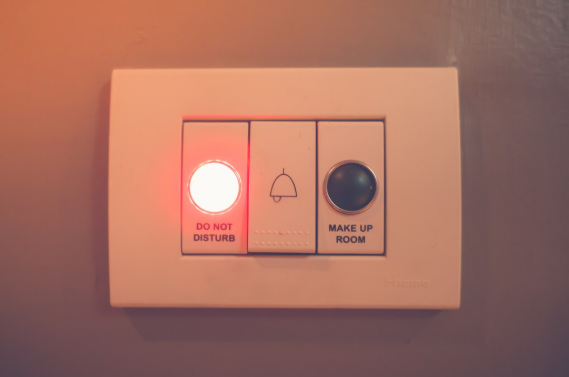
Commercial spaces today demand far more than purely functional electrical equipment. Architects, interior designers, and facility managers are actively rethinking every visible interior element, including wall-mounted electrical devices. Switchboards, once overlooked as purely utilitarian fixtures, are now central to spatial aesthetics and brand expression.
Understanding what modular switch design trends are reshaping commercial interiors helps businesses make informed, future-ready procurement decisions. From smart-enabled panels and touch-sensitive controls to premium surface finishes and minimalist profiles, these electrical instruments are redefining how professional spaces look, feel, and operate.
Let’s explore the key trends driving this fundamental shift in commercial interior design.
Minimalist Aesthetics are Dominating Commercial Interiors
Flat frames, slim profiles, and neutral palettes are now standard in premium office fit-outs. Flush-mount modular frames eliminate visible screws and bezels for a seamless wall finish.
Monochromatic color schemes in matte white, graphite, and warm ivory complement contemporary commercial design. Slim rocker mechanisms reduce visual clutter on high-traffic switch panels. Architects frequently deploy these switches in open-plan offices, boardrooms, and hotel lobbies.
Smart and IoT-enabled Modular Switch Design is Growing Rapidly
How modular switch design is evolving with IoT integration is among the most-discussed topics in commercial electrical planning. Touch-sensitive capacitive panels replace traditional mechanical rockers in smart-enabled spaces.
Wi-Fi and Zigbee-compatible modules allow facility managers to control lighting zones remotely. Voice-assistant integration compatible with Alexa and Google Home ecosystems is increasingly deployed in hospitality and co-working environments.
Newly launched modular switches now feature touch panels or remote-control capability. Building Management Systems (BMS) increasingly incorporate modular smart switches as key interface points.
Premium Finishes and Material Innovation set new Standards
Why modular switches design now prioritizes material quality is straightforward; commercial clients expect durability alongside aesthetics. Polycarbonate frames with UV-resistant coating maintain finish integrity under commercial lighting conditions.
Brushed stainless steel and anodized aluminum fascias are frequently employed in luxury retail and hospitality projects. Anti-microbial surface treatments are being incorporated into high-touch electrical equipment, particularly post-pandemic.
Glass-panel modular switches with backlit indicators are gaining traction in premium office corridors and reception areas. High-impact polycarbonate bases offer an Ingress Protection (IP) rating suitable for semi-exposed commercial environments.
Modular Customization Supports Flexible Space Planning
What modular switch design offers in terms of configuration flexibility makes it ideal for commercial applications. Modular frames allow designers to combine switches, USB Type-A/Type-C charging ports, data ports, and dimmer controls within a single plate.
Gang configurations such as 4-gang, 6-gang, and 8-gang provide organized control for multi-circuit commercial installations. Replaceable modules reduce maintenance costs; a single defective electrical instrument can be swapped without disturbing the full switchboard. Hospitality and healthcare sectors widely deploy customizable modular systems to meet varied operational requirements.
Energy-monitoring Modules are Entering Commercial Switch Panels
Commercial facility managers increasingly employ modular switches with built-in energy-monitoring capability. Smart metering modules track real-time energy consumption per circuit, supporting operational cost control.
Dimmer-integrated switches reduce lighting load in conference rooms and retail display zones. Occupancy-sensor-compatible switch modules automatically cut power in unoccupied areas, lowering energy expenditure. These electrical devices align with LEED and WELL building certification requirements for commercial projects.
Coordinated Design Systems Across Electrical Devices
Commercial projects now specify matching modular systems across all electrical equipment, including switches, sockets, data ports, and AV controls. Unified design language across a building’s entire electrical fit-out creates a professional, curated appearance.
Leading manufacturers offer design families that span switch plates, power sockets, floor boxes, and cable management systems. Coordinated modular systems reduce procurement complexity for large-scale commercial installations.
Upgrade Your Commercial Space With the Right Modular Switches Design
The commercial electrical segment is evolving rapidly, and modular switch design now plays a direct role in how professional spaces are perceived, experienced, and remembered. Selecting the right electrical instruments requires careful evaluation of finish quality, smart compatibility, safety certifications, and modular flexibility for future expansion.
Collaborating with a reputed electrical brand ensures access to certified products, dedicated technical support, and design consistency across every floor of your project. Businesses that invest in premium, specification-grade modular switch systems position their spaces for long-term functionality, operational efficiency, and lasting visual relevance. Make the upgrade today and future-proof your commercial interiors.