A portable power station can make a major difference during a Canadian winter outage, when losing electricity quickly affects food storage, lighting, internet access, phone charging, and comfort. Snowstorms, freezing rain, and extreme cold can turn a short disruption into a long and stressful event, especially in rural areas or places with slower restoration times. The right backup setup helps you keep essential devices running safely without relying only on candles, disposable batteries, or a vehicle. For many households, the goal is not to power everything, but to protect the basics and stay connected. Choosing a unit with enough battery capacity, suitable output, practical charging options, and reliable cold-weather planning is what makes winter backup power truly useful when conditions become difficult.
Staying Powered Through a Canadian Winter
Why Winter Power Outages Need Extra Preparation
Winter outages in Canada need more planning because cold weather raises both the risk and the consequences of losing power. Homes can cool down fast, pipes may freeze, and road conditions can delay utility crews. Short daylight hours also make lighting more important, while storms often disrupt mobile networks and internet service at the same time. Food spoilage becomes a concern if a fridge loses power for too long, and medical or communication devices may need steady charging. Battery performance can also drop in low temperatures, so storage and charging conditions matter. A portable power station works best when it is charged in advance, stored in a suitable indoor location, and paired with a clear list of priority devices.
Where a Portable Power Station Fits In
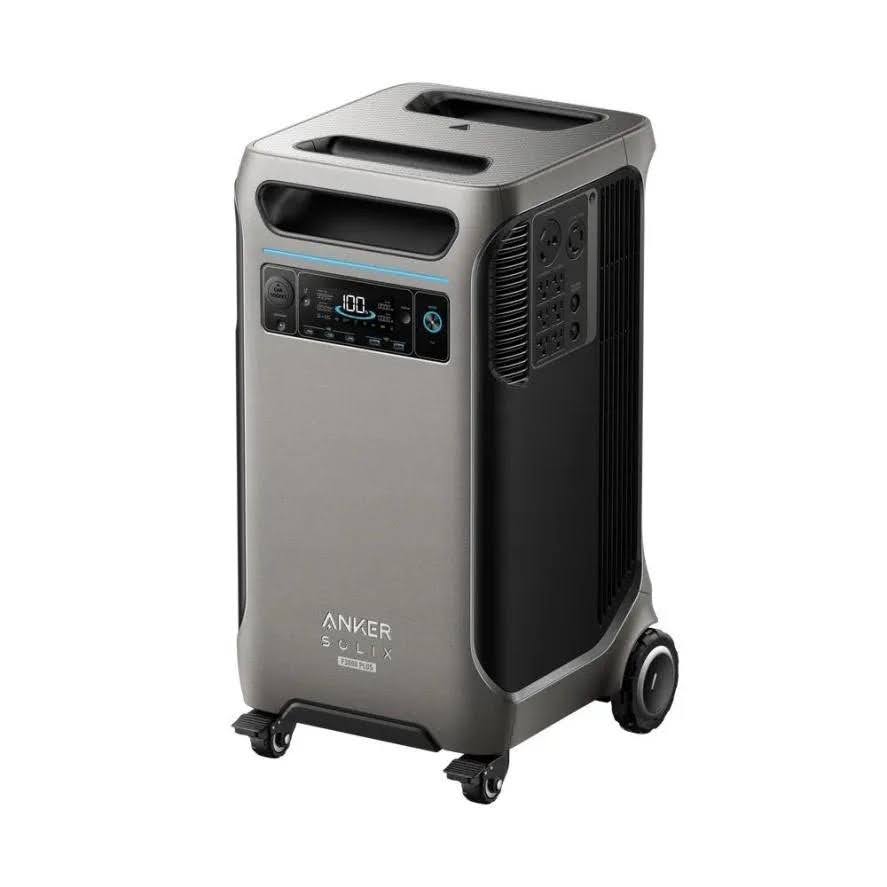
A portable power station fits between small emergency battery packs and a permanently installed whole-home backup system. It gives you a quiet, fuel-free source of electricity for indoor use, making it practical for apartments, houses, cottages, and RVs during winter outages. Its job is to support essential loads rather than every electric appliance at once. That usually means keeping a fridge cold, powering lights, maintaining Wi-Fi, charging phones, and running small electronics. Higher-capacity models can also help with larger loads when their output allows it. The Anker SOLIX F3800 Plus Portable Power Station provides 3,840Wh capacity and 6,000W output, which positions it as a serious backup option for households preparing for tougher and longer winter disruptions.
What Can a Portable Power Station Run in an Outage?
Prioritize Fridges, Lights, Wi-Fi and Communication
During a winter outage, start with the devices that protect food, safety, and communication. A refrigerator is usually the top priority because keeping it powered helps avoid food loss during a long blackout. Next, focus on LED lights for key rooms, your modem and router for internet access, and phone charging so you can receive alerts and contact family or emergency services. If you work from home, a laptop may also belong on the essentials list. Keep your setup simple and intentional. Avoid plugging in high-draw appliances that are not necessary. The more selective you are, the longer your portable power station will last and the easier it becomes to manage energy through overnight or multi-day outages.
Estimate Wattage and Runtime for Essential Devices
To estimate runtime, list each essential device, note its running wattage, and multiply by the number of hours you expect to use it. A 10W LED light used for 5 hours needs 50Wh. A 60W router running for 10 hours needs 600Wh. A fridge is more complex because it cycles on and off, so average use matters more than peak startup draw. Add your essential loads together, then leave a buffer for inverter losses and unexpected needs. Also check the power station’s continuous output, not just battery size. A unit with enough watt-hours but insufficient output may still struggle with appliance startup. This simple calculation helps you choose practical backup power instead of guessing during an actual storm.
How to Choose the Right Capacity for Winter Backup
Match Battery Capacity and Output to Your Power Needs
Choose capacity based on the devices you must keep running and the length of outage you want to cover. Smaller units can handle phones, lights, and networking gear, but winter backup often calls for more energy and stronger output. If you need to support a refrigerator, more lights, tools, or some 240V loads, both watt-hours and wattage become critical. The Anker SOLIX F3800 Plus starts at 3.84kWh with 120V and 240V dual-voltage AC output and 6,000W of power, expandable to 12,000W. It also uses EV-grade LFP batteries designed for 10+ years of service and includes app-based monitoring over Wi-Fi or Bluetooth, which helps you manage remaining power more precisely.
Consider Expandable Storage for Longer Outages
Longer winter outages demand more than a large battery on day one; they require a plan to recharge and extend runtime. Expandable storage is useful because your needs may grow from overnight backup to several days of essential use. The Anker SOLIX F3800 Plus can expand from 3.84kWh up to 26.9kWh, giving households more flexibility for extended disruptions. It also supports up to 3,200W of solar input through dual 11-165V MPPT controllers and can charge from a 240V gas generator through a 6,000W bypass. That combination helps maintain power when sunlight is limited, while also supporting direct EV and RV charging through NEMA TT-30P or L14-30 ports if needed.
Conclusion
A portable power station is one of the most practical ways to prepare for winter outages in Canada because it keeps essential devices running without the noise and complexity of larger backup systems. The key is to focus on what matters most: refrigeration, lighting, connectivity, phone charging, and any critical small electronics. Once you know those priorities, calculate their wattage, choose enough battery capacity, and make sure the unit’s output matches your load. For longer outages, expandable storage and flexible recharging options become especially important in cold weather. A well-planned setup gives you more than convenience. It protects food, improves safety, and helps your household stay informed and connected when winter storms disrupt normal life and restoration takes longer than expected.