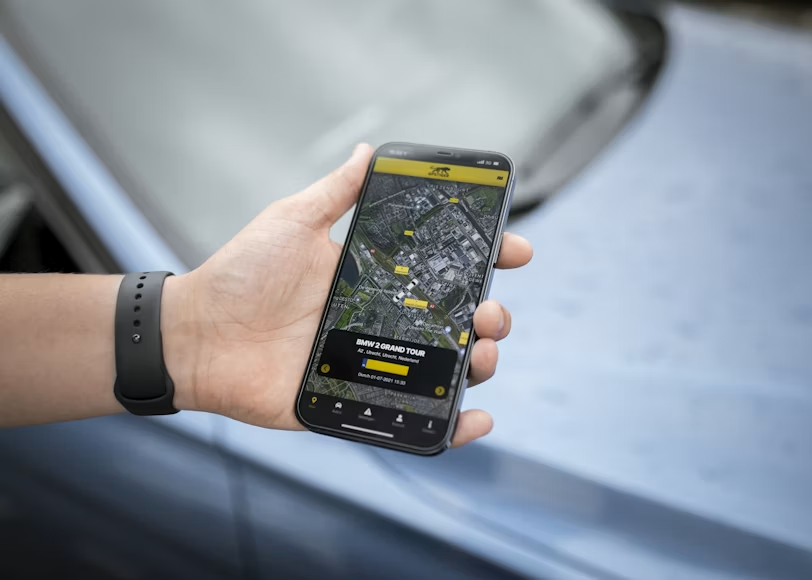
Modern fleet management is no longer just about knowing which vehicles are on the road. It is about understanding what is happening across the entire operation as it happens. Businesses need to know where vehicles are, how drivers are performing, which jobs are on schedule, and where delays are forming. Without real-time data, managers are forced to make decisions based on outdated information, assumptions, or repeated phone calls. That creates delays, increases costs, and makes it harder to serve customers well. Real-time GPS tracking systems give fleet-based businesses the visibility they need to operate with more speed, accuracy, and control.
The Shift From Reactive to Proactive Fleet Management
Traditional fleet management often depends on information that arrives too late. A manager may not know a driver is delayed until a customer calls to complain. A dispatcher may not realize a route is inefficient until the day is already over. A maintenance issue may not become obvious until a vehicle breaks down. These situations force teams to react after the problem has already affected productivity or customer service. Real-time data changes that by helping managers spot issues while there is still time to act. This allows businesses to solve problems sooner instead of constantly catching up.
Real-time fleet data gives managers a live view of vehicle locations, driver activity, route progress, and job status. That visibility supports faster decisions throughout the day. If a driver is stuck in traffic, dispatch can reroute another vehicle or update the customer before frustration builds. If an urgent service request comes in, managers can identify the closest available driver and respond quickly. This type of proactive decision-making helps businesses reduce downtime, improve scheduling, and protect customer relationships. In a competitive market, the ability to act quickly can be just as important as the size of the fleet.
Better Dispatching Starts With Better Information
Dispatching is one of the areas where real-time data has the biggest impact. Without accurate vehicle location data, dispatchers may rely on calls, texts, or rough estimates to assign work. This can lead to inefficient routing, longer travel times, and missed opportunities to fit in additional jobs. Real-time GPS tracking systems help dispatchers see where every vehicle is and which driver is best positioned for the next task. That makes it easier to reduce backtracking and send the right person to the right place. The result is a more organized and productive operation.
Better dispatching also helps reduce stress for drivers and office staff. Drivers do not need to answer as many location update calls when managers can see their progress in real time. Office teams can respond to customer questions more confidently because they have accurate information available. Dispatchers can also adjust routes when weather, traffic, cancellations, or emergency requests change the schedule. These quick adjustments help keep the day moving even when plans shift. For businesses with tight appointment windows, real-time data can make the difference between staying on schedule and falling behind.
Reducing Fuel Waste and Operating Costs
Fuel costs can quietly drain fleet profitability, especially when managers lack visibility into how vehicles are being used. Inefficient routes, unnecessary mileage, excessive idling, and aggressive driving can all increase fuel consumption. Without real-time data, these issues may go unnoticed for weeks or months. By the time fuel spending becomes a concern, the business may have already lost a significant amount of money. Real-time GPS tracking systems help identify waste as it happens or soon after patterns begin to appear. This gives managers a practical way to control one of their largest operating expenses.
Real-time insights can also support better driver coaching. Managers can use data to identify behaviors that waste fuel, such as speeding, harsh acceleration, or leaving vehicles running for too long. Instead of making general requests for drivers to “be more efficient,” leaders can provide specific feedback based on actual activity. Route optimization can also help reduce unnecessary miles and improve daily productivity. Even small improvements can create meaningful savings when multiplied across every vehicle and every route. Over time, better data can lead to lower costs and stronger margins.
Improving Customer Communication and Trust
Customers expect accurate updates, reliable arrival times, and fast communication when delays happen. Poor visibility makes this difficult because staff may not know exactly where a driver is or when they will arrive. This can lead to vague answers, repeated callbacks, and frustrated customers. Real-time fleet data helps businesses provide more accurate estimated arrival times and better service updates. When customers feel informed, they are more likely to trust the company even if delays occur. Clear communication can turn a potential complaint into a more manageable experience.
Real-time data also helps businesses respond faster to changing customer needs. If a customer requests an urgent visit, dispatchers can quickly locate the nearest available vehicle. If a delivery route is running behind, the team can notify customers before they have to ask. This kind of communication shows professionalism and respect for the customer’s time. Smaller businesses can use real-time visibility to compete with larger companies by offering faster, more personal service. In many industries, reliability and communication are major reasons customers choose one provider over another.
Strengthening Driver Accountability and Safety
Driver safety is a key part of modern fleet management. Unsafe driving can lead to accidents, higher repair costs, insurance concerns, and damage to a company’s reputation. Real-time data can help managers monitor risky behaviors such as speeding, harsh braking, rapid acceleration, and unauthorized vehicle use. This does not have to be about punishment. When handled properly, driver data gives managers a fair way to coach employees and improve safety. It also helps create clear expectations for how company vehicles should be operated.
Accountability benefits drivers as well as managers. Real-time location records can confirm that a driver arrived at a job site, followed an assigned route, or completed a service call. This can protect employees from false complaints or confusion about timing. It can also help recognize drivers who consistently perform well, follow safe driving practices, and complete routes efficiently. When data is used fairly, it creates a stronger culture of trust and professionalism. The goal is not to micromanage drivers, but to help everyone operate more safely and efficiently.
Making Maintenance More Predictable
Vehicle downtime is one of the most disruptive challenges for fleet-based businesses. When a vehicle breaks down unexpectedly, schedules may need to be rearranged, customers may be delayed, and repair costs may increase. Real-time data can support better maintenance planning by tracking mileage, engine hours, diagnostic alerts, and usage patterns. This helps businesses schedule preventive maintenance before small issues become major repairs. Instead of relying on memory or paper logs, managers can use accurate vehicle data to stay ahead of service needs. Predictable maintenance helps keep vehicles on the road and reduces operational surprises.
Maintenance visibility also helps businesses understand how vehicles are being used. Some vehicles may be overworked while others are underused. Certain driving behaviors may contribute to faster wear on brakes, tires, or engines. By reviewing real-time and historical data, managers can make smarter decisions about vehicle rotation, replacement planning, and repair priorities. This can extend vehicle life and improve return on investment. A well-maintained fleet is safer, more dependable, and better prepared to serve customers consistently.
Key Benefits of Real-Time Fleet Data
Real-time data supports nearly every part of fleet operations. It helps managers make faster decisions, control costs, improve communication, and protect assets. The value comes from turning live information into practical action. When businesses can see what is happening, they can fix problems before they become more expensive. Real-time visibility also gives leaders the confidence to make decisions based on facts instead of guesswork. This creates a more efficient and professional fleet operation.
Key benefits include:
- Faster dispatching and route adjustments
- More accurate customer arrival updates
- Reduced fuel waste and unnecessary mileage
- Better driver accountability and safety coaching
- Improved maintenance planning
- Fewer manual check-in calls
- Stronger visibility into daily productivity
- Better use of vehicles, drivers, and labor hours
These benefits can help businesses of all sizes operate more effectively. Larger fleets can use real-time data to coordinate complex operations, while smaller fleets can use it to compete with greater efficiency. The most important factor is consistency. Data only becomes valuable when teams use it to guide decisions and improve processes. Businesses that build real-time insights into their daily routines are better positioned to control costs and grow.
FAQ: Real-Time GPS Tracking Systems
What are real-time GPS tracking systems? Real-time GPS tracking systems are tools that show the live location and activity of vehicles in a fleet. They often include route history, driver behavior data, alerts, and reporting features.
Why is real-time data important for fleet management? Real-time data helps managers make faster and more accurate decisions. It allows teams to respond to delays, reroute vehicles, improve communication, and reduce waste.
Can real-time GPS tracking reduce fuel costs? Yes. It can help identify inefficient routes, excessive idling, unnecessary mileage, and driving behaviors that increase fuel use.
Does real-time tracking help with customer service? Yes. It allows businesses to provide more accurate arrival times, faster updates, and better communication when schedules change.
Will drivers feel like they are being watched too closely? Some drivers may have concerns at first. Clear communication helps by explaining that the system is used to improve safety, protect drivers, and make daily work more efficient.
Is real-time GPS tracking useful for small fleets? Yes. Small fleets can benefit because real-time data helps them operate more efficiently without adding extra staff or vehicles.
Turning Real-Time Data Into a Competitive Advantage
Real-time data is the backbone of modern fleet management because it connects every part of the operation. It gives managers the visibility to make better decisions, dispatchers the information to work faster, and customers the updates they expect. It also helps drivers operate more safely and helps businesses protect vehicles through smarter maintenance planning. Without real-time visibility, fleets are left reacting to problems after they happen. With it, businesses can manage vehicles, people, and schedules with more confidence. That shift can improve both daily performance and long-term profitability.
The real value of real-time GPS tracking systems comes from how businesses use the information. A tracking platform should not sit in the background as a passive map. It should guide dispatching, coaching, maintenance, customer communication, and strategic planning. When teams review data consistently and act on what they learn, the entire fleet becomes more efficient. This helps reduce hidden costs, improve service quality, and create a stronger foundation for growth. In today’s fast-moving business environment, real-time data is not just helpful. It is essential for running a fleet that is competitive, reliable, and ready for what comes next.