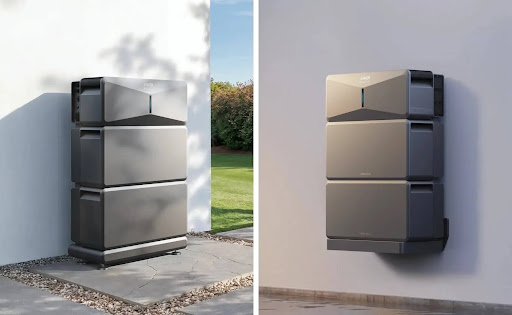
Best budget options when buying a home generator come down to balancing purchase price, usable output, fuel or charging costs, and the devices you truly need to keep running. A lower-cost unit can still provide reliable backup power if it matches your outage plan. Some households need a portable generator for short emergencies, while others prefer quieter battery-based systems for indoor use. Models such as the Anker SOLIX E10 Solar Generator and Anker SOLIX F3800 portable power station show how budget planning can focus on essential coverage first, then expand later.
Budget-Friendly Home Generator Options Explained
Portable Generators for Basic Emergency Power Needs
Portable generators remain one of the most affordable ways to cover basic emergency power needs. They work well for running refrigerators, lights, fans, and small appliances during short outages, especially when fast refueling matters. Budget buyers researching how much is a generator should compare not only the purchase price but also factors such as output capacity, runtime, fuel costs, and maintenance needs. These units usually offer strong value for outdoor backup use, but they require fuel storage, regular maintenance, and careful placement because they produce noise and exhaust during operation.
Solar Generators for Quiet and Low-Maintenance Backup
Solar generators appeal to budget-conscious buyers who want quiet operation, indoor-safe use, and lower maintenance over time. Instead of gasoline, they store energy in batteries and recharge from wall outlets, vehicle charging, or solar panels. The Anker SOLIX E10 Solar Generator fits this category well for homeowners who want simple backup for electronics and small household essentials. Although purchase prices can be higher than entry-level fuel models, the tradeoff is cleaner operation, easier upkeep, and fewer ongoing expenses related to fuel, oil changes, and engine servicing.
Compact Power Solutions for Essential Devices
Compact power solutions make sense when your goal is keeping only essential devices running during an outage. A smaller backup unit can support phones, routers, laptops, lights, medical devices, and similar low-draw equipment without the cost of a whole-home setup. This approach reduces upfront spending and often improves portability for apartment dwellers, renters, or households with limited storage. It also helps buyers avoid overspending on capacity they will rarely use. For many homes, targeted backup power is the smartest budget purchase, especially for shorter and less severe outages.
What to Check Before Buying a Budget Generator
Match Generator Capacity With Your Power Requirements
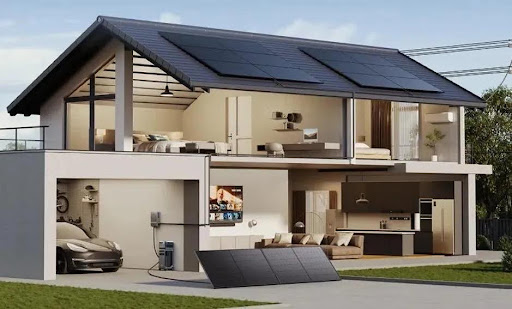
Matching generator capacity to your actual power requirements is the most important budget decision. Start by listing the appliances and devices you need during an outage, then total both running watts and surge watts. A refrigerator, sump pump, microwave, and portable heater can quickly exceed the limits of a small unit. If you want broader home backup, the Anker SOLIX F3800 portable power station belongs in this discussion because it is designed for higher-demand coverage. Buying enough capacity once often saves more than replacing an undersized system later.
Consider Fuel, Charging, and Operating Costs
A low sticker price does not always mean lower ownership cost. Fuel-powered generators require gasoline or other fuel, and that ongoing expense increases during frequent outages or extended emergency use. Battery-based systems shift costs toward charging, which can come from grid power or solar input, often reducing long-term spending. Buyers should also consider storage needs, oil changes, replacement parts, and seasonal testing. Comparing lifetime operating costs gives a clearer picture of value than comparing purchase prices alone, especially when reliability and convenience matter just as much as affordability.
Evaluate Features That Improve Long-Term Value
Features that improve long-term value often matter more than cosmetic upgrades. Look for clear displays, multiple output ports, overload protection, easy transport, and straightforward recharging or refueling. Battery systems may offer app monitoring, expandable storage, and faster charging, which can make outage planning much easier. Durable construction and strong warranty support also help protect a budget purchase. Safety features deserve special attention, particularly for home use. Choosing a generator with practical, everyday benefits helps you spend wisely and avoid paying later for workarounds, repairs, or early replacement.
How to Get More Value From a Home Generator Purchase
Prioritize Essential Appliances During Outages
Prioritizing essential appliances during outages is the easiest way to get more value from a generator purchase. Focus first on refrigeration, communication devices, lighting, internet equipment, and medically necessary items. If power remains available, then add convenience loads such as televisions or kitchen appliances. This strategy allows a smaller, less expensive unit to perform effectively without overload. It also extends runtime, reduces fuel consumption or battery drain, and simplifies backup planning. Budget buyers get better results when they power what matters most instead of trying to run the entire house.
Choose Expandable Backup Options for Future Needs
Expandable backup options offer strong value because they let you start with essential coverage and grow later. That approach is often smarter than stretching your budget for more capacity than you need today. A scalable system can support new appliances, longer outages, or changing household demands without forcing a complete replacement. This is where products like the Anker SOLIX F3800 portable power station can be appealing, since expandable energy storage can align with long-term planning. Budget buying works best when your first purchase supports future upgrades instead of limiting them.
Reduce Maintenance and Replacement Expenses
Reducing maintenance and replacement expenses keeps a budget generator affordable beyond the initial purchase. Store the unit properly, test it on schedule, and follow the recommended care routine so it performs reliably when needed. For fuel models, that means managing fuel quality, checking oil, and inspecting moving parts. For battery systems, it means protecting charge health, updating software when available, and avoiding extreme storage conditions. Good maintenance extends service life, lowers repair risk, and protects performance, helping homeowners get more dependable emergency power from every dollar spent.
Conclusion
The best budget home generator is the one that covers your essential power needs without adding unnecessary cost. Portable generators suit buyers who want affordable emergency output and quick refueling, while solar generators offer quieter, lower-maintenance backup. Compact systems work well when only a few devices matter most. By matching capacity to real usage, comparing operating costs, and choosing practical features, homeowners can buy with confidence. Options such as the Anker SOLIX E10 Solar Generator and Anker SOLIX F3800 portable power station support that value-first approach.
READ ALSO: Portable Power Station for Winter Outages in Canada